‘Right Path’ Regional workshops on Business and Human Rights
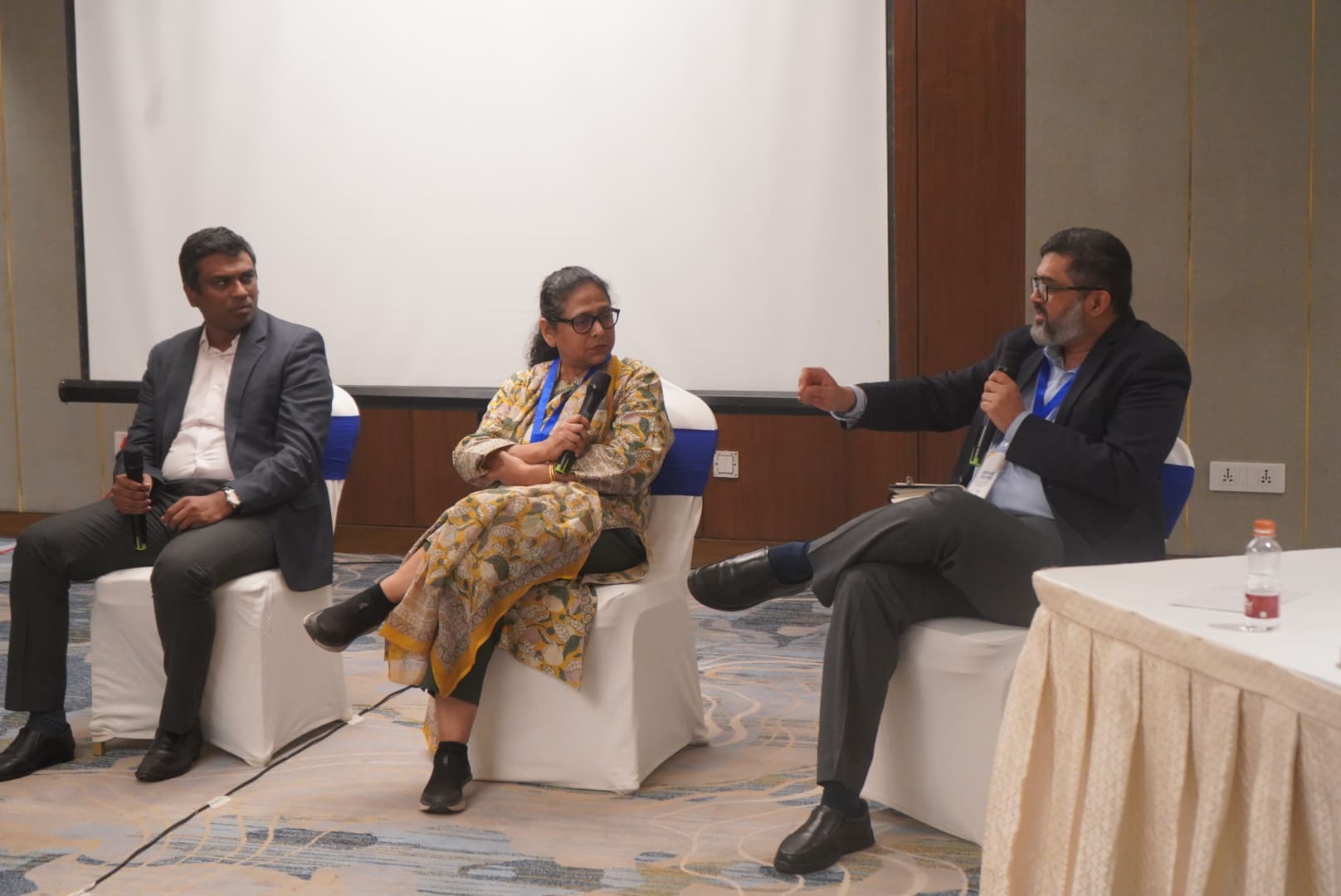
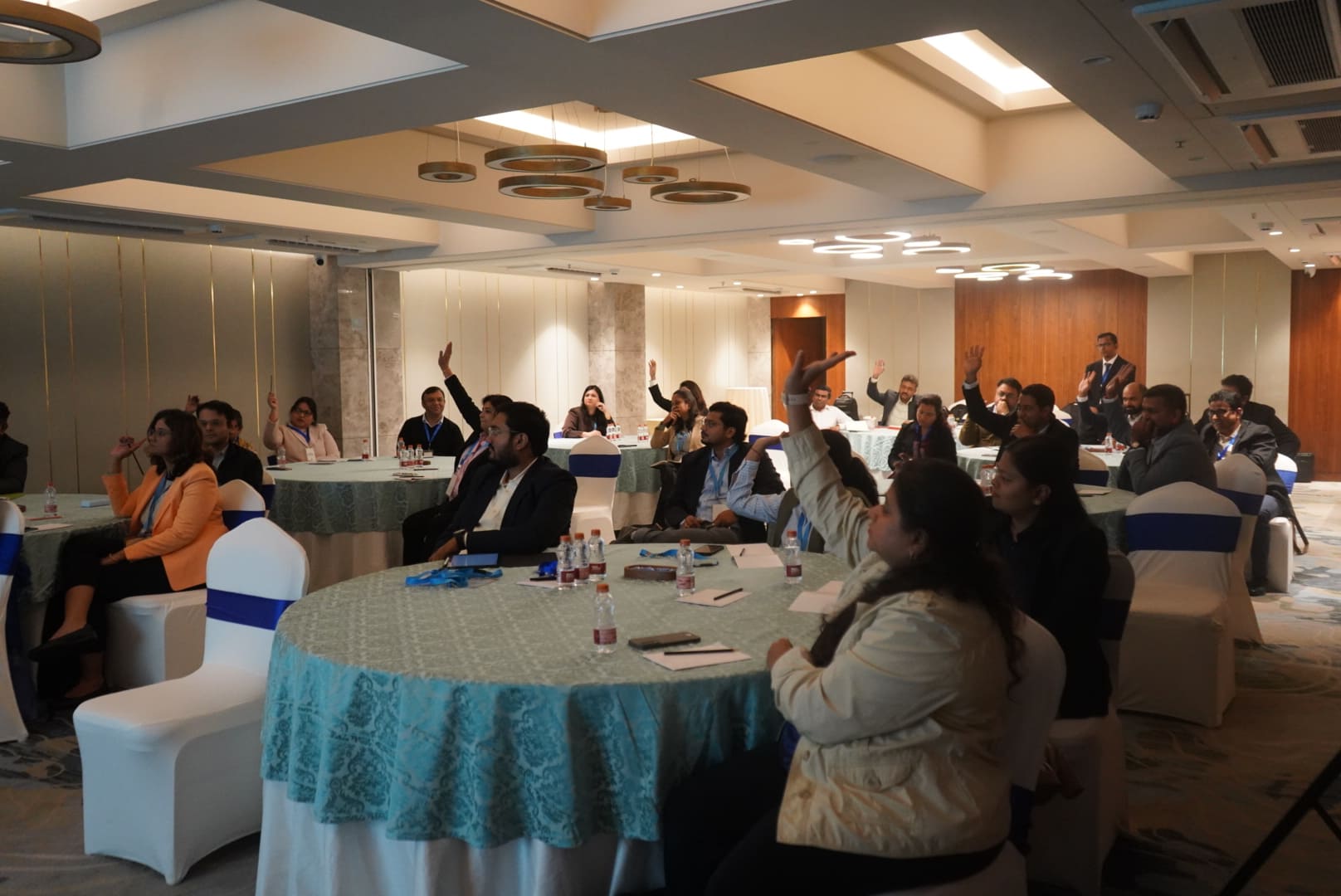
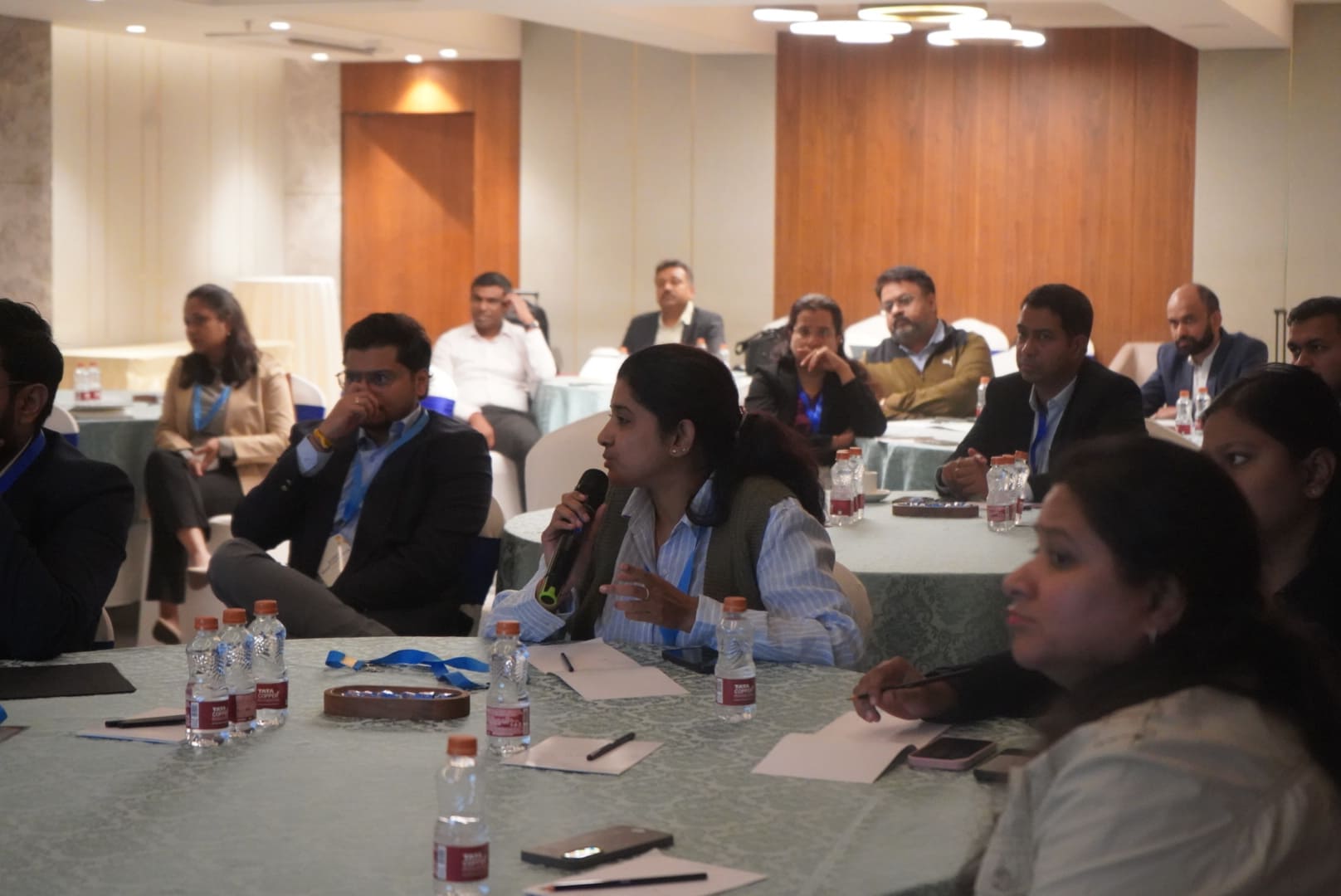
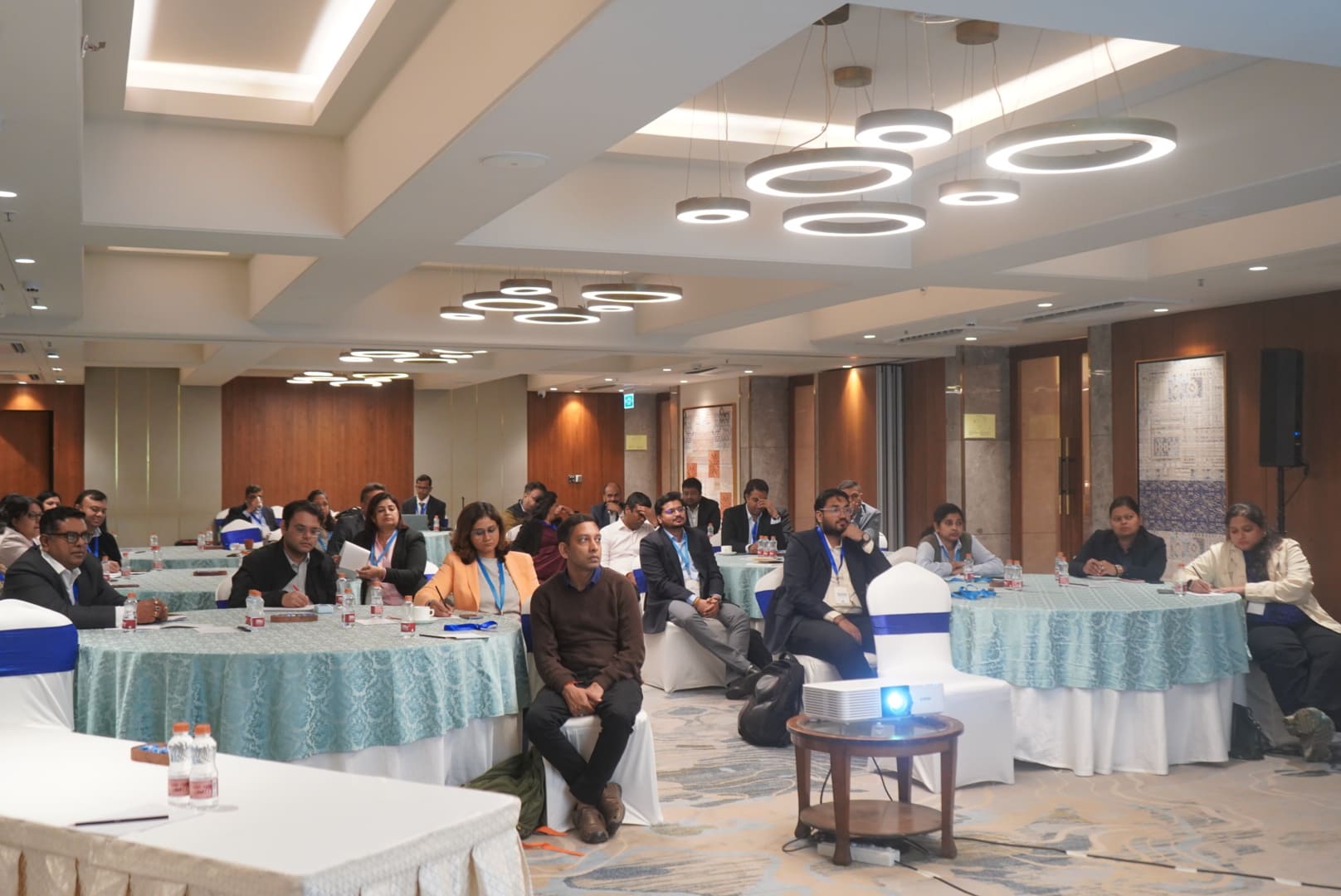
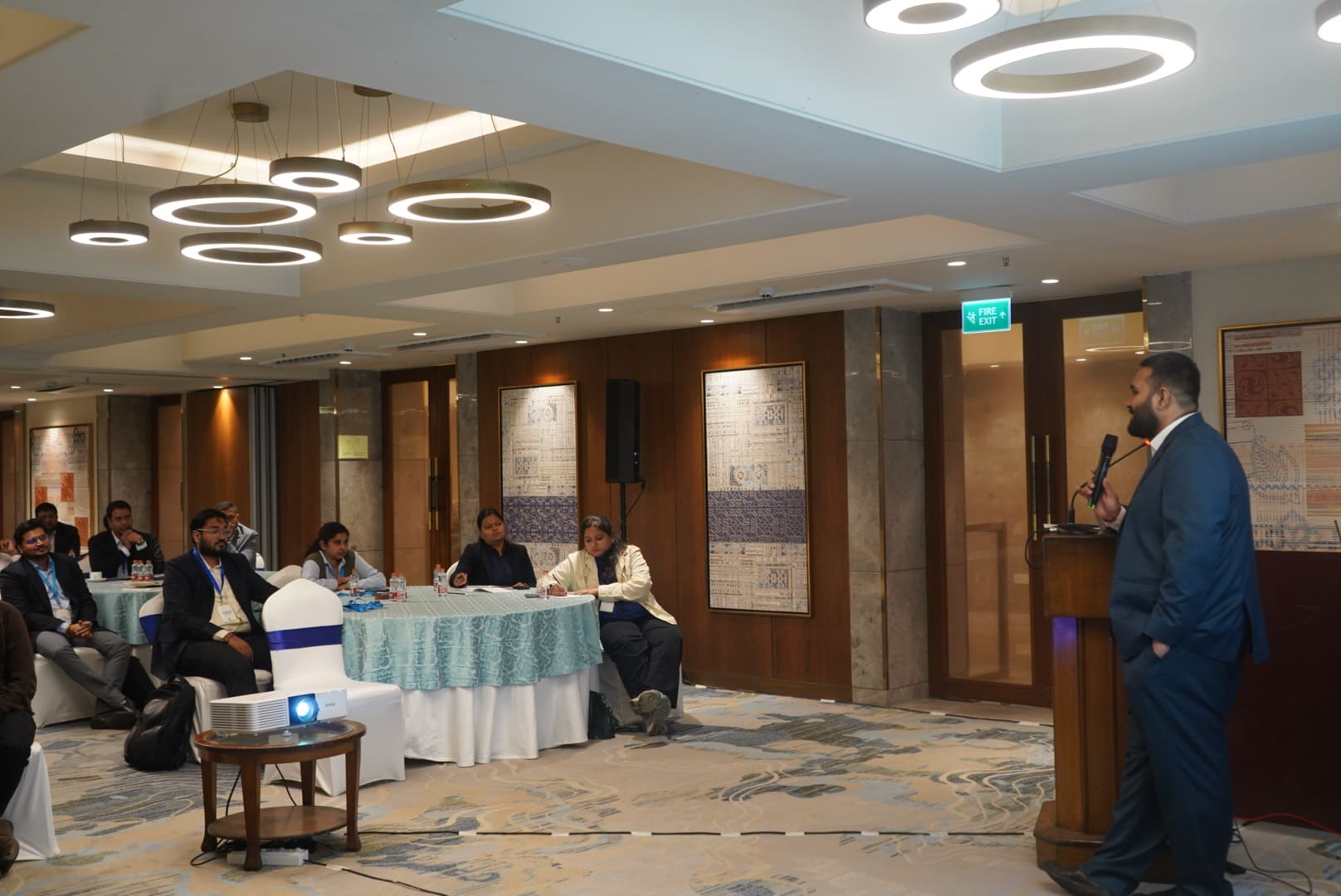
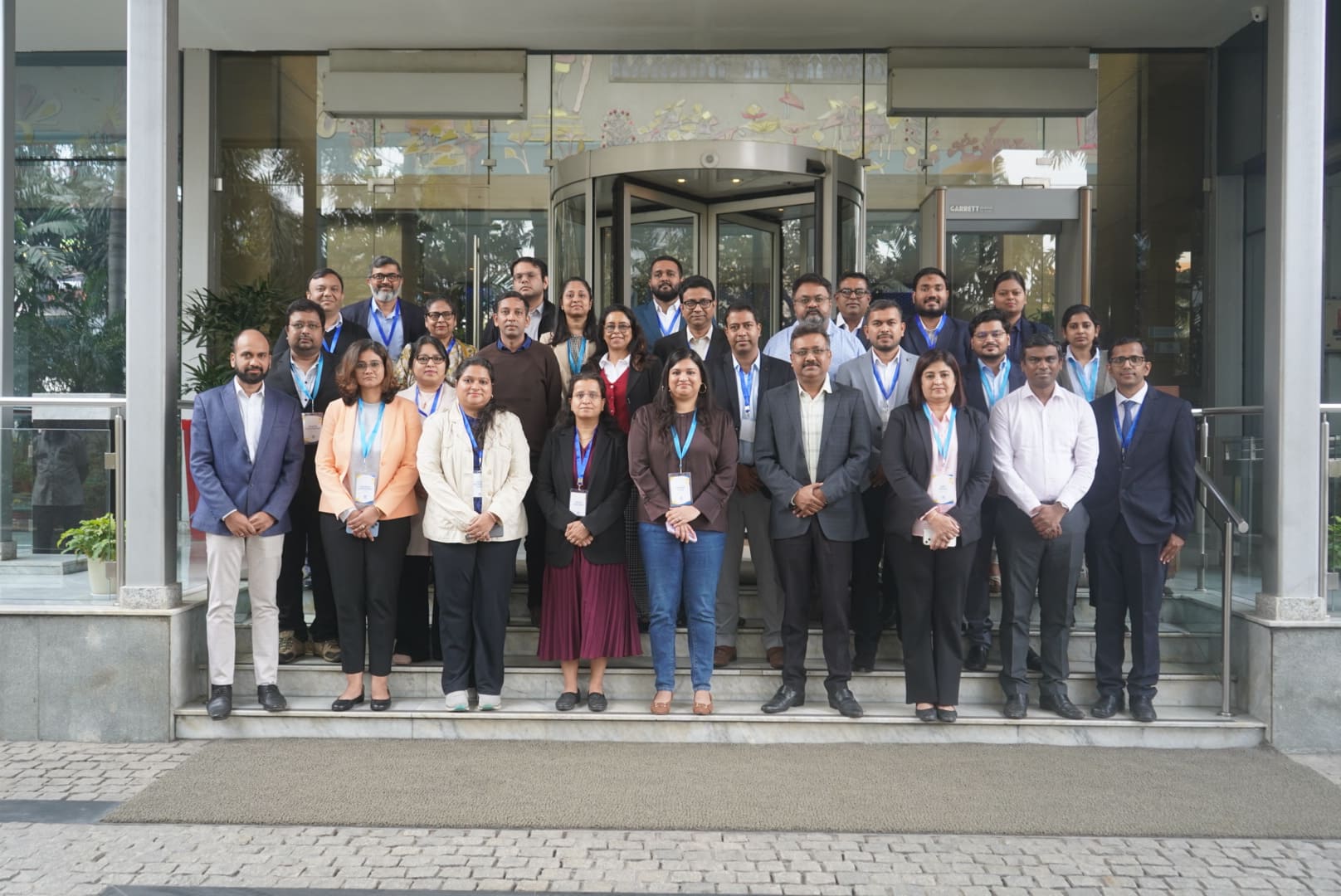
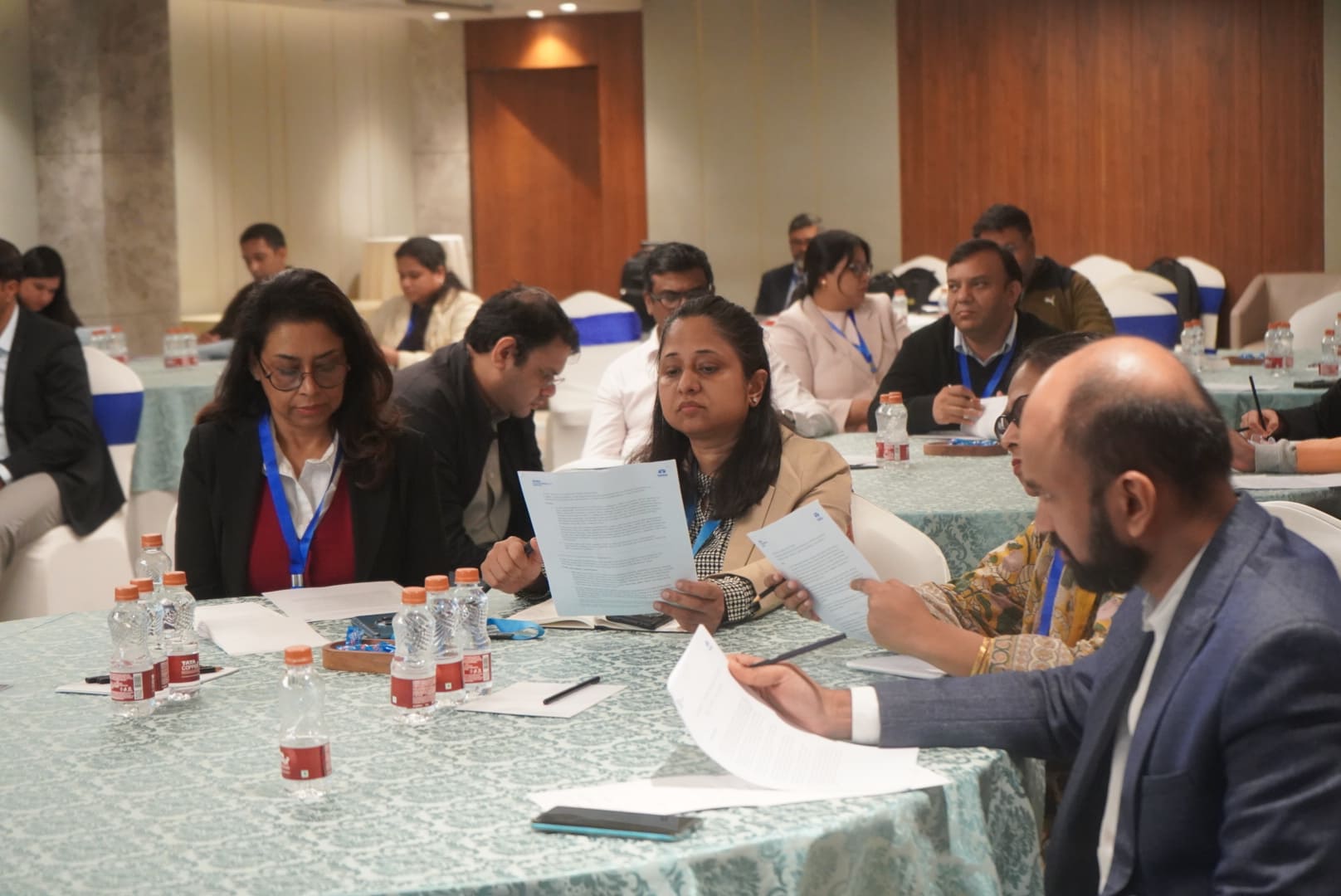
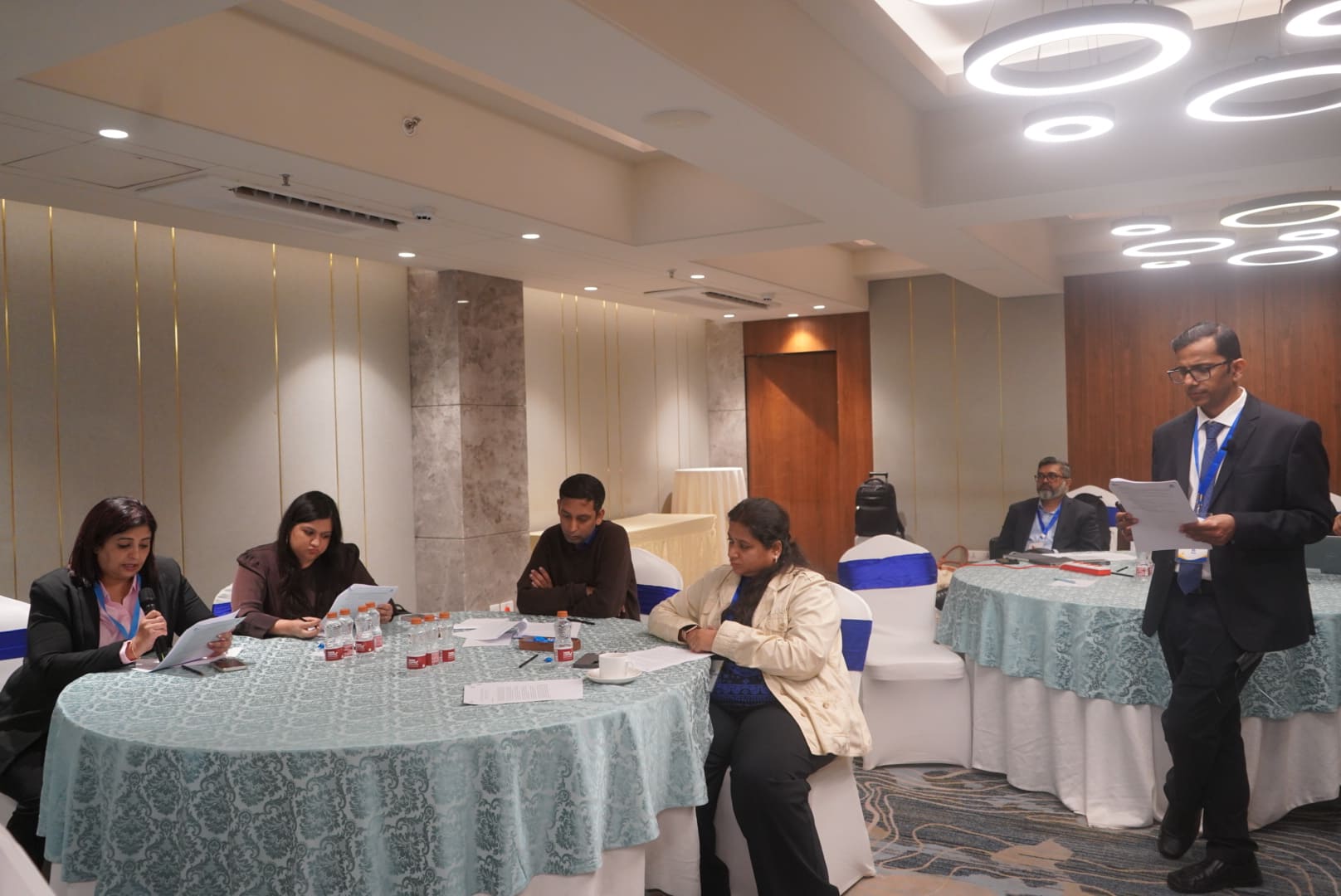
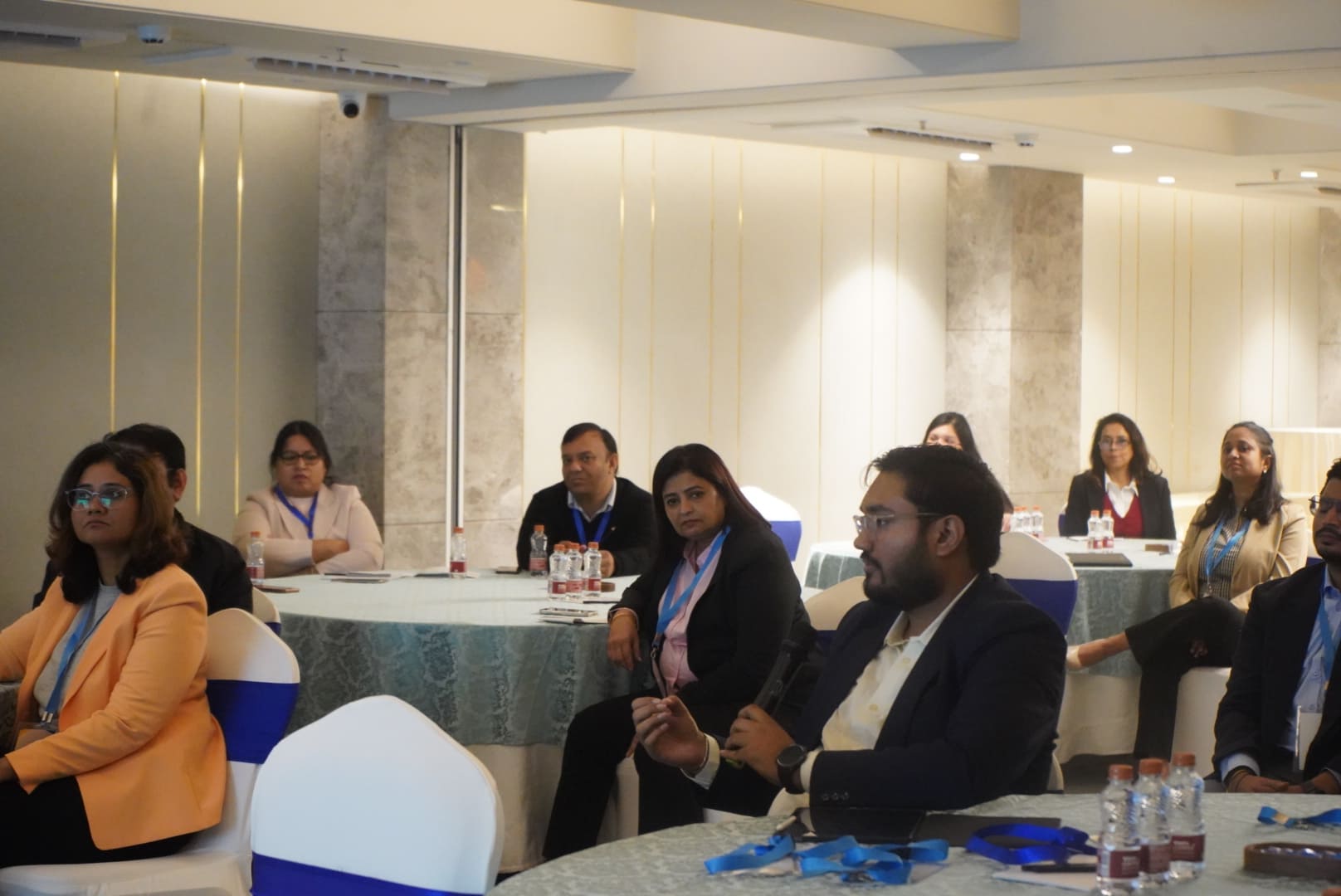
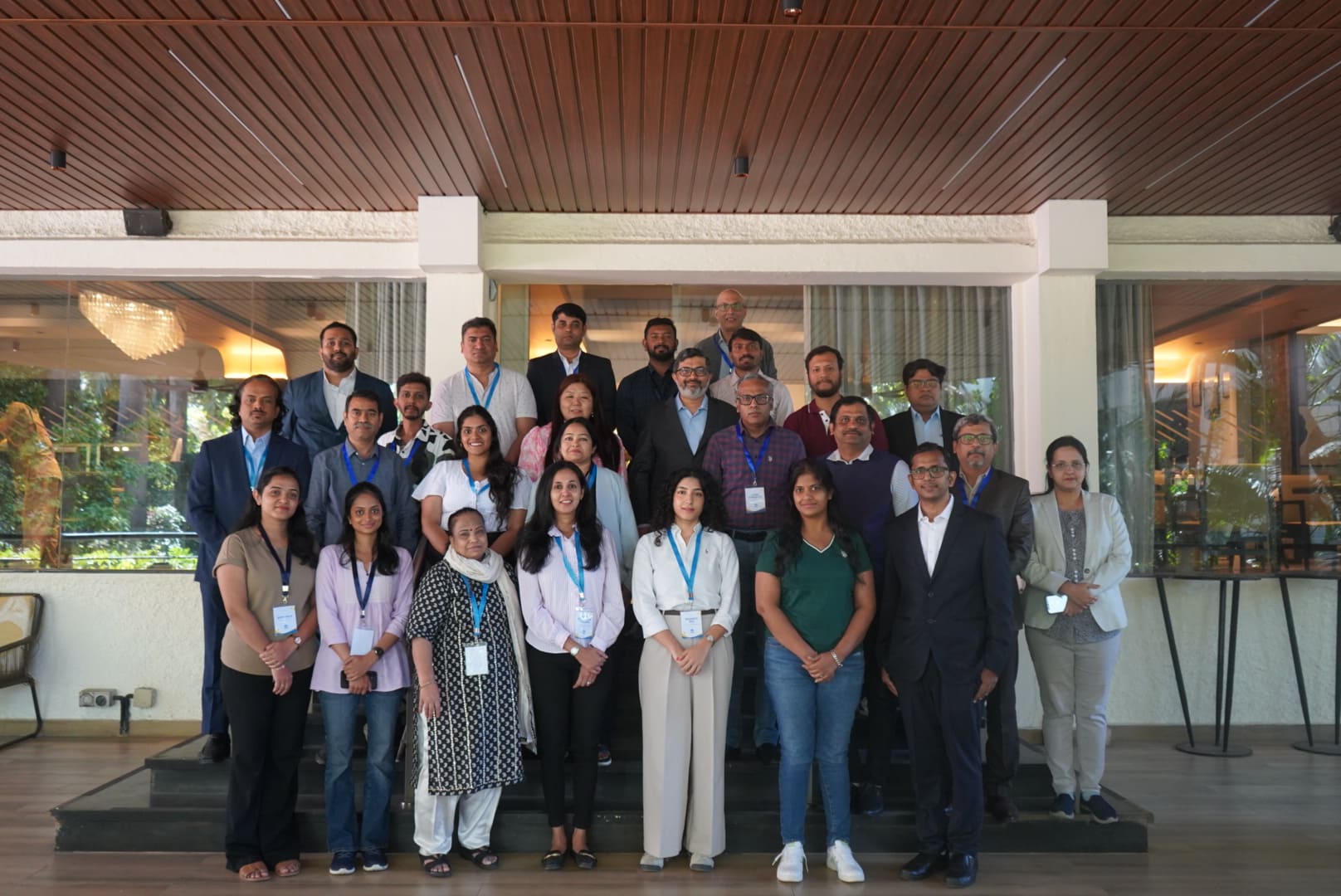
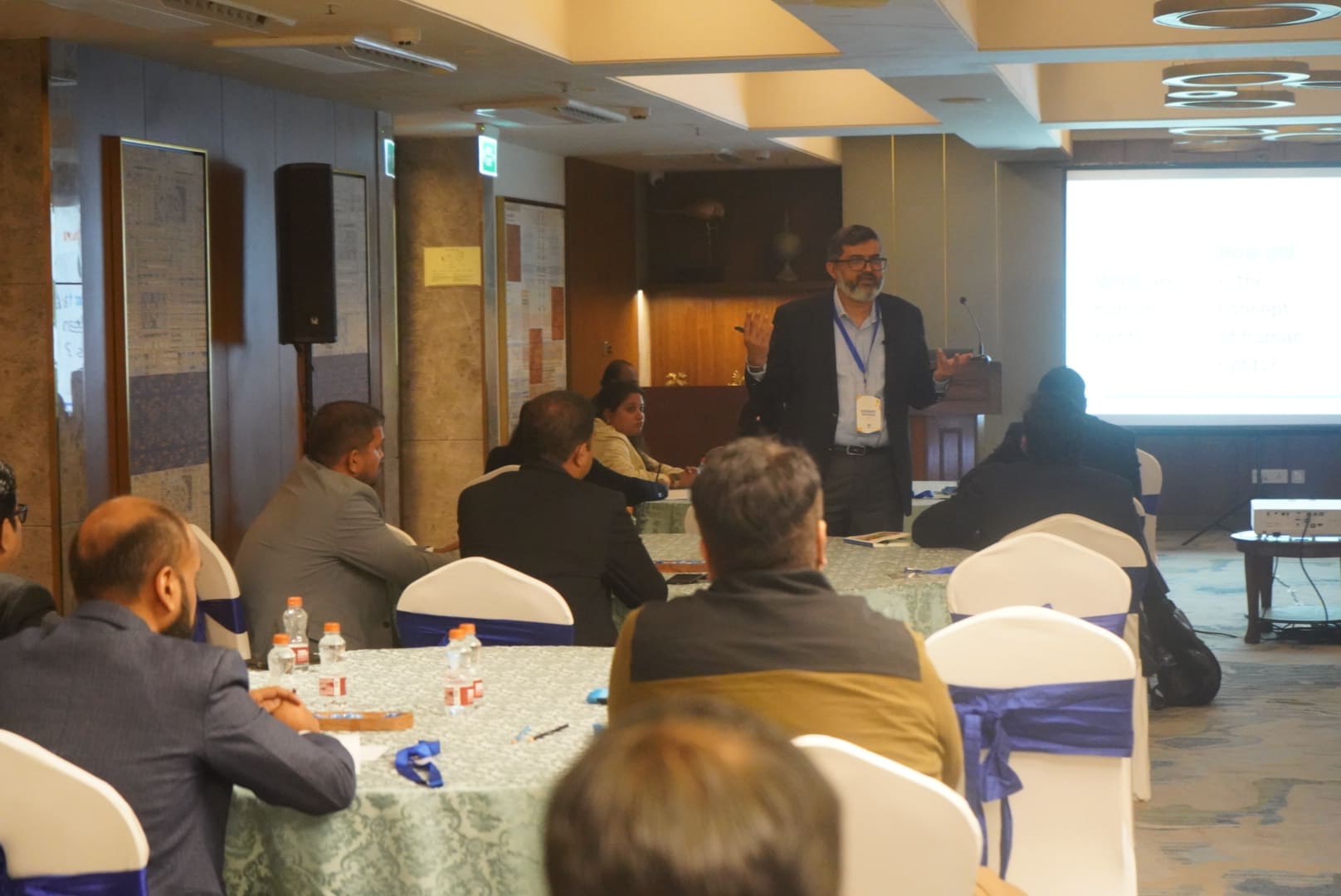
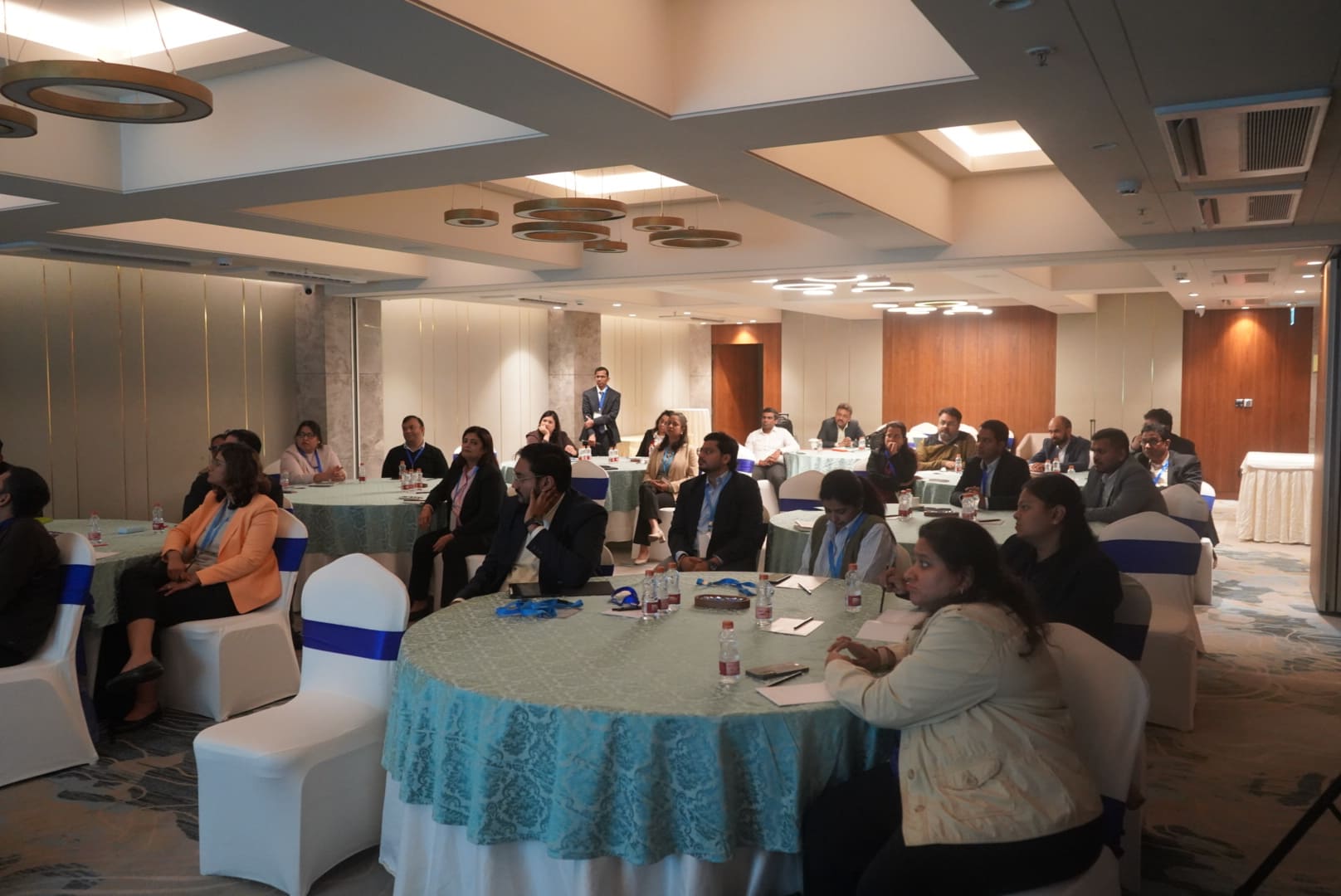
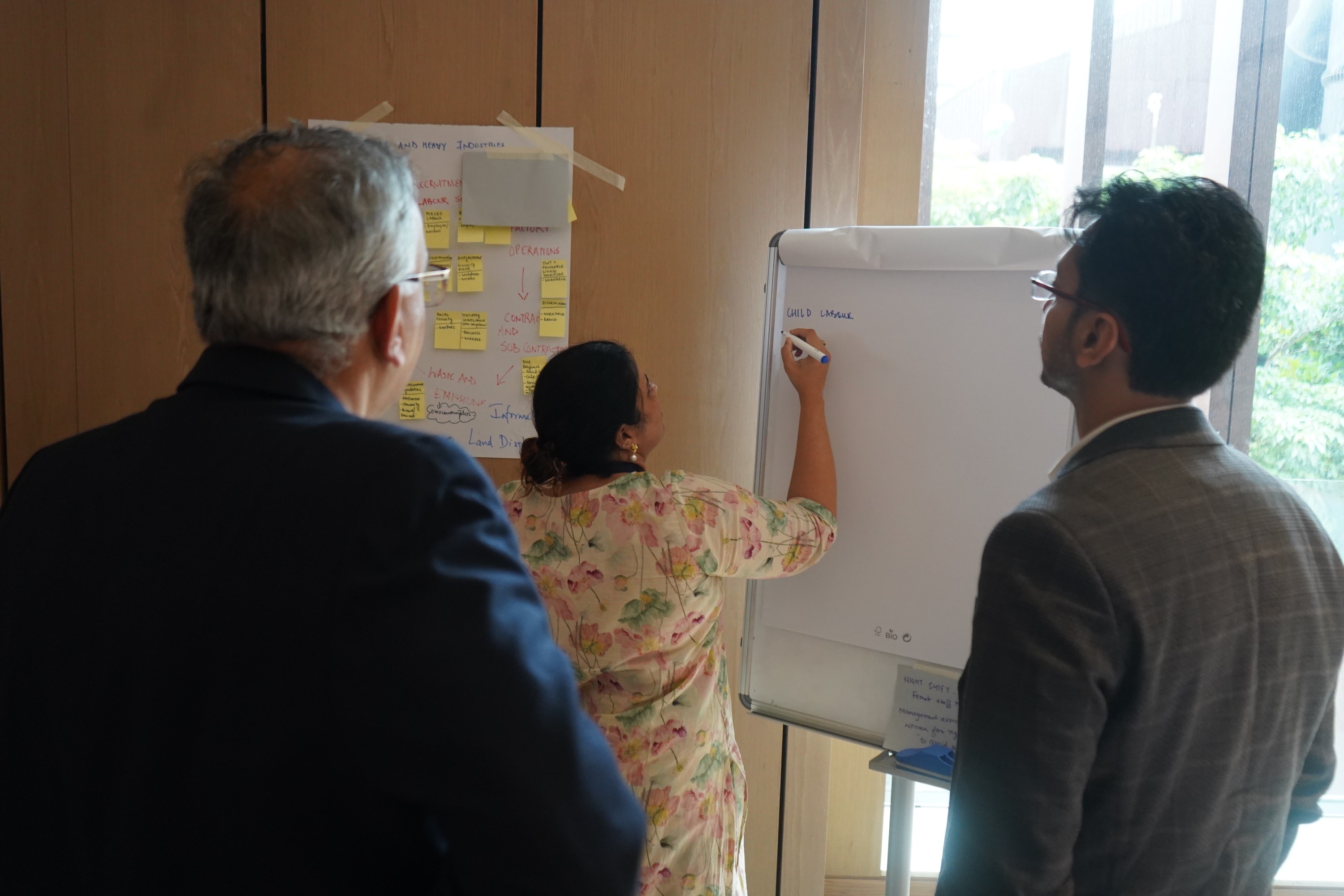
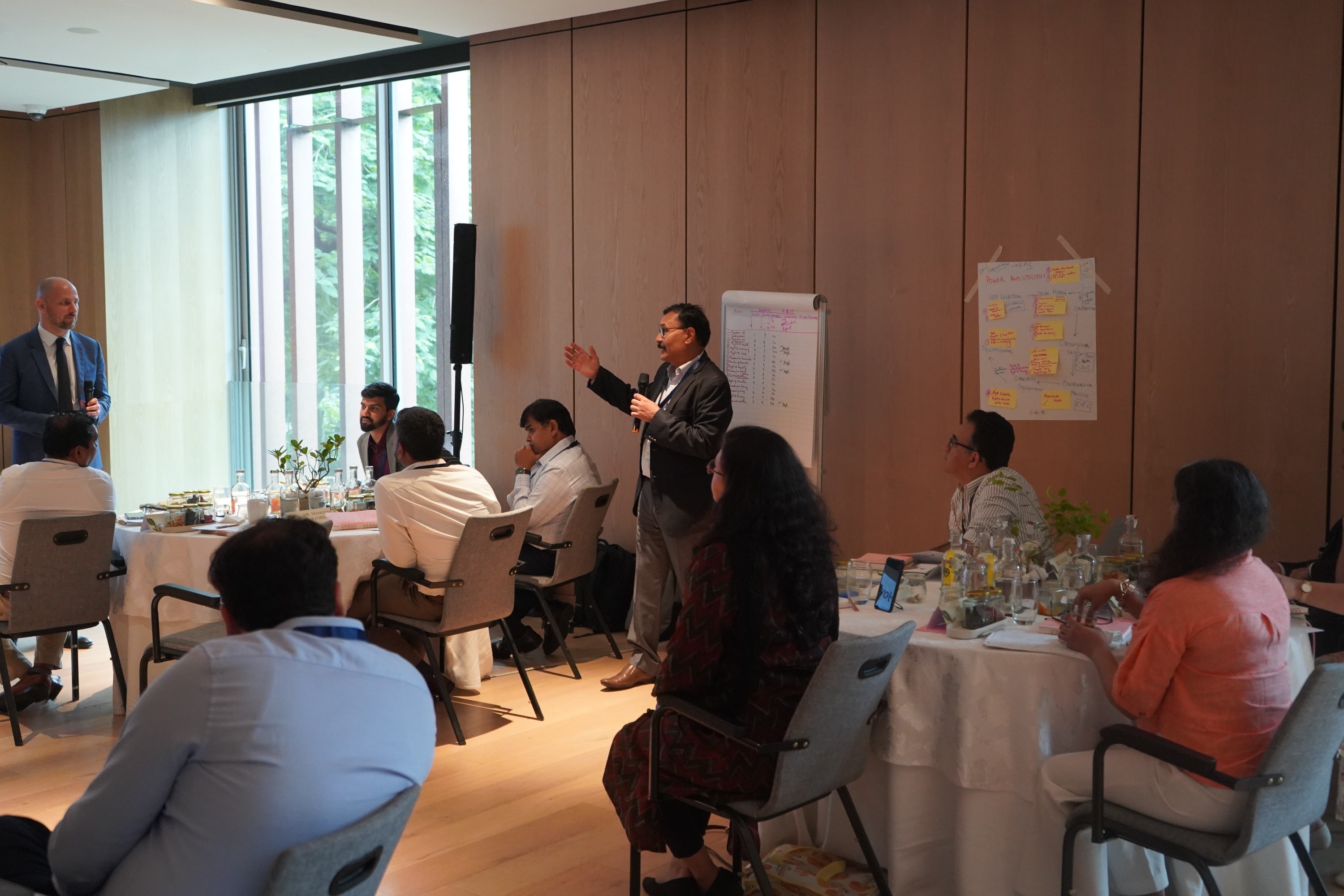
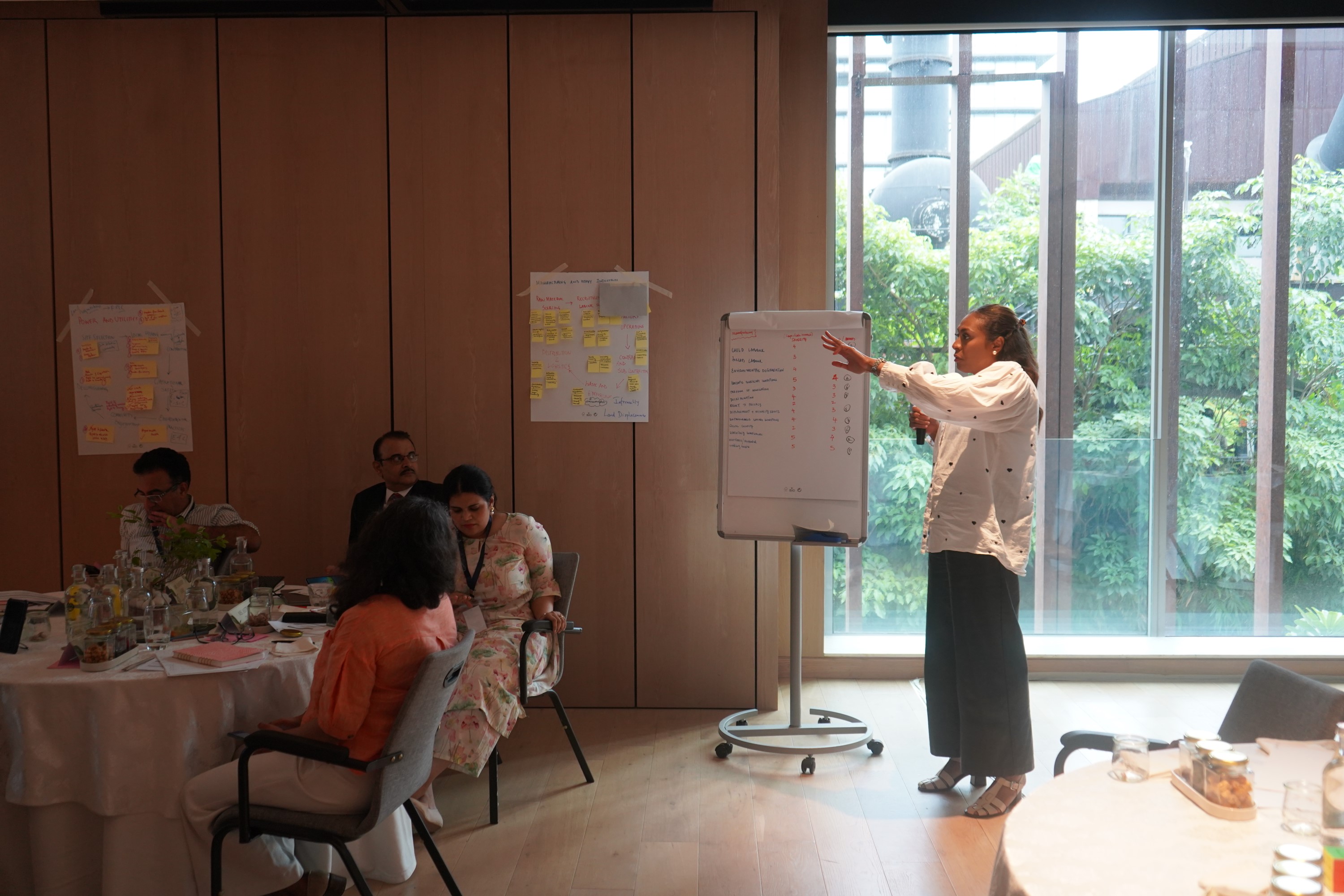
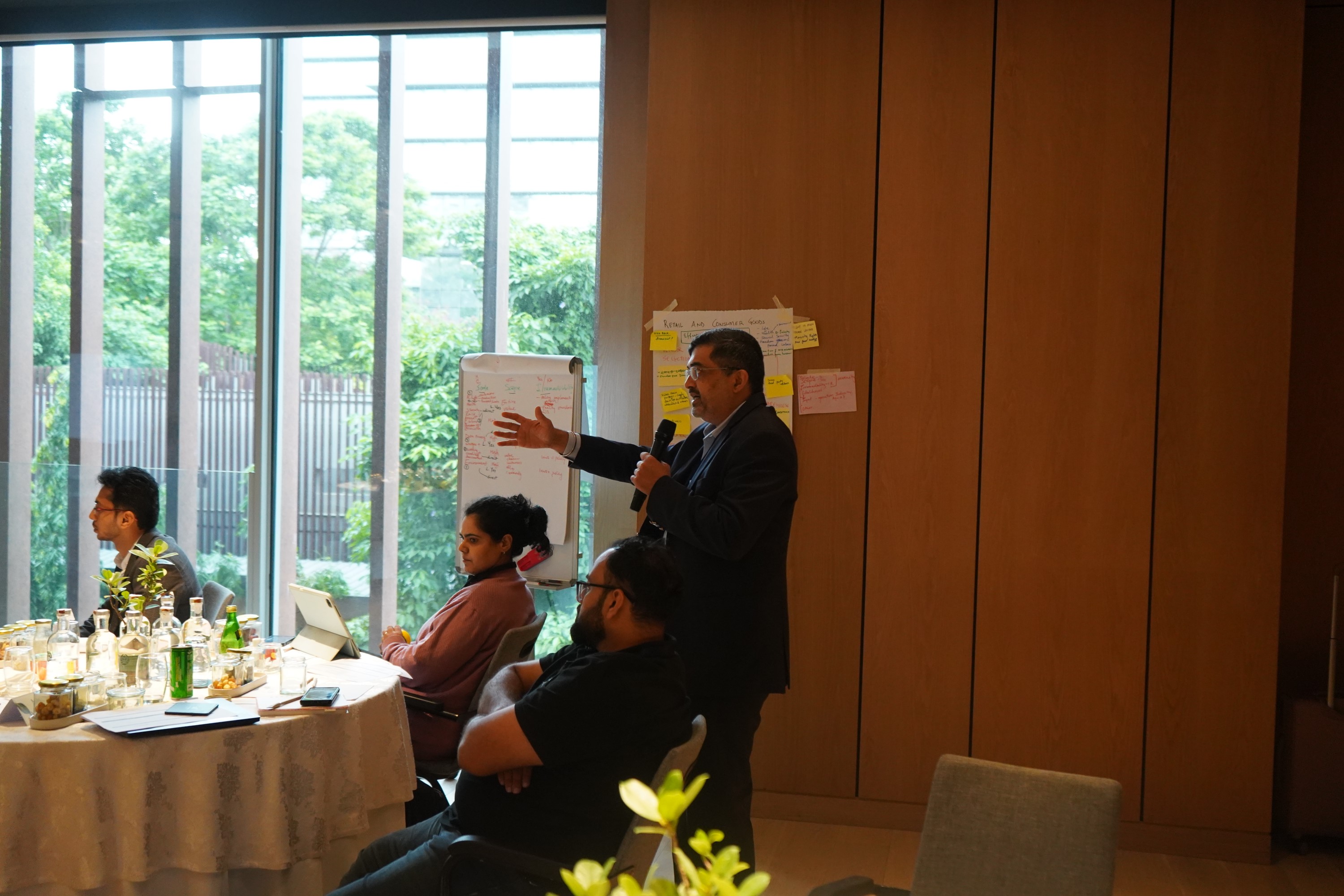
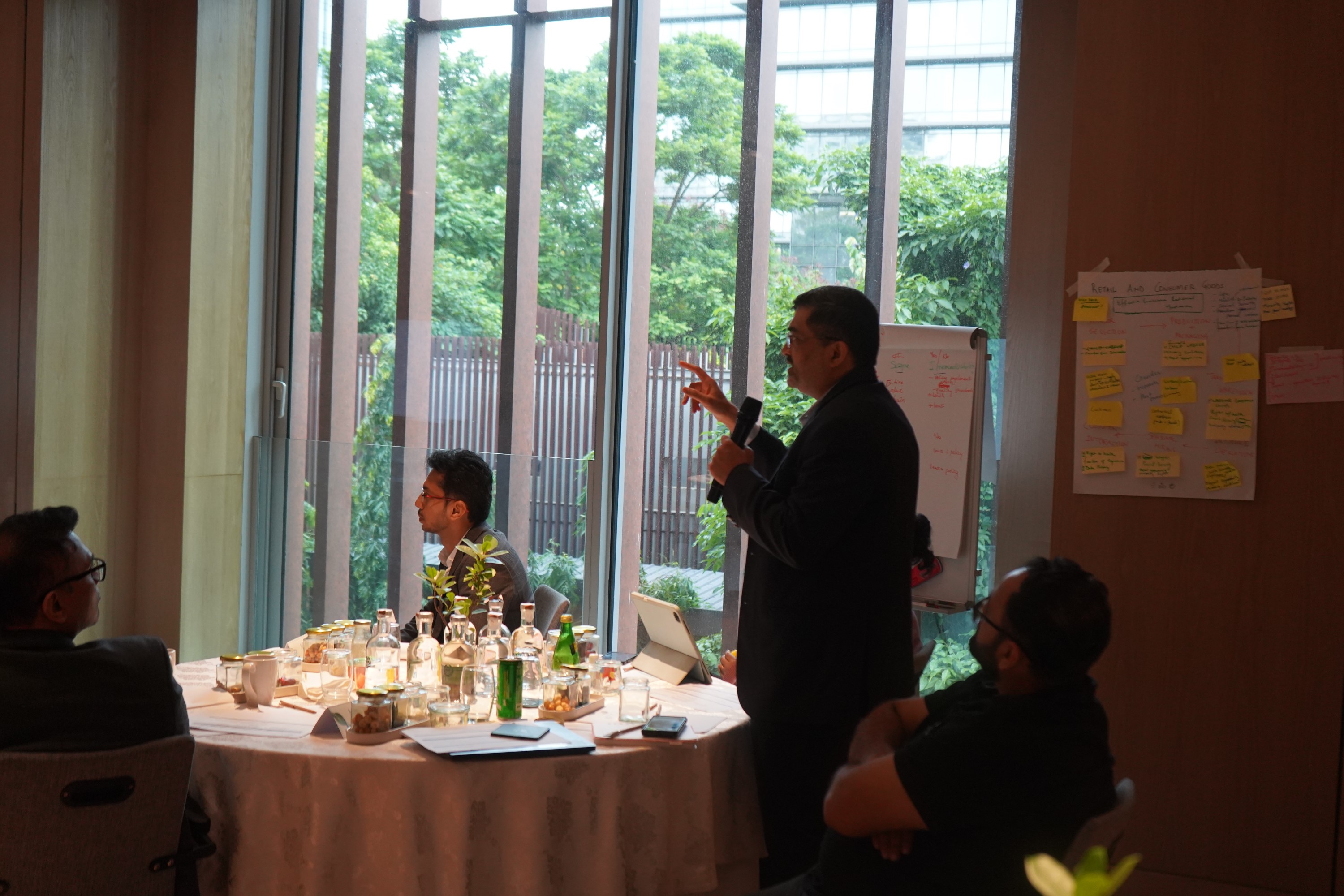
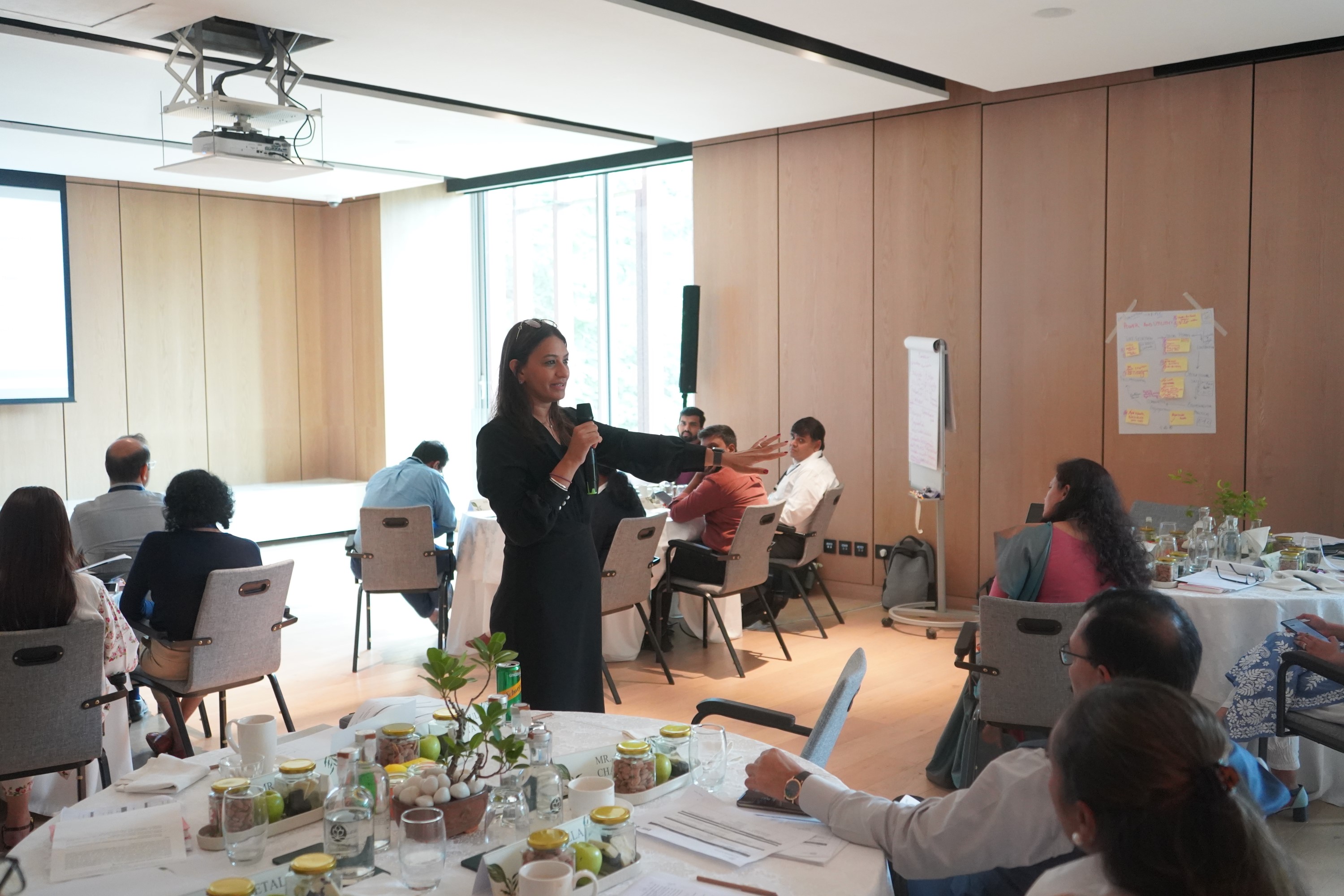
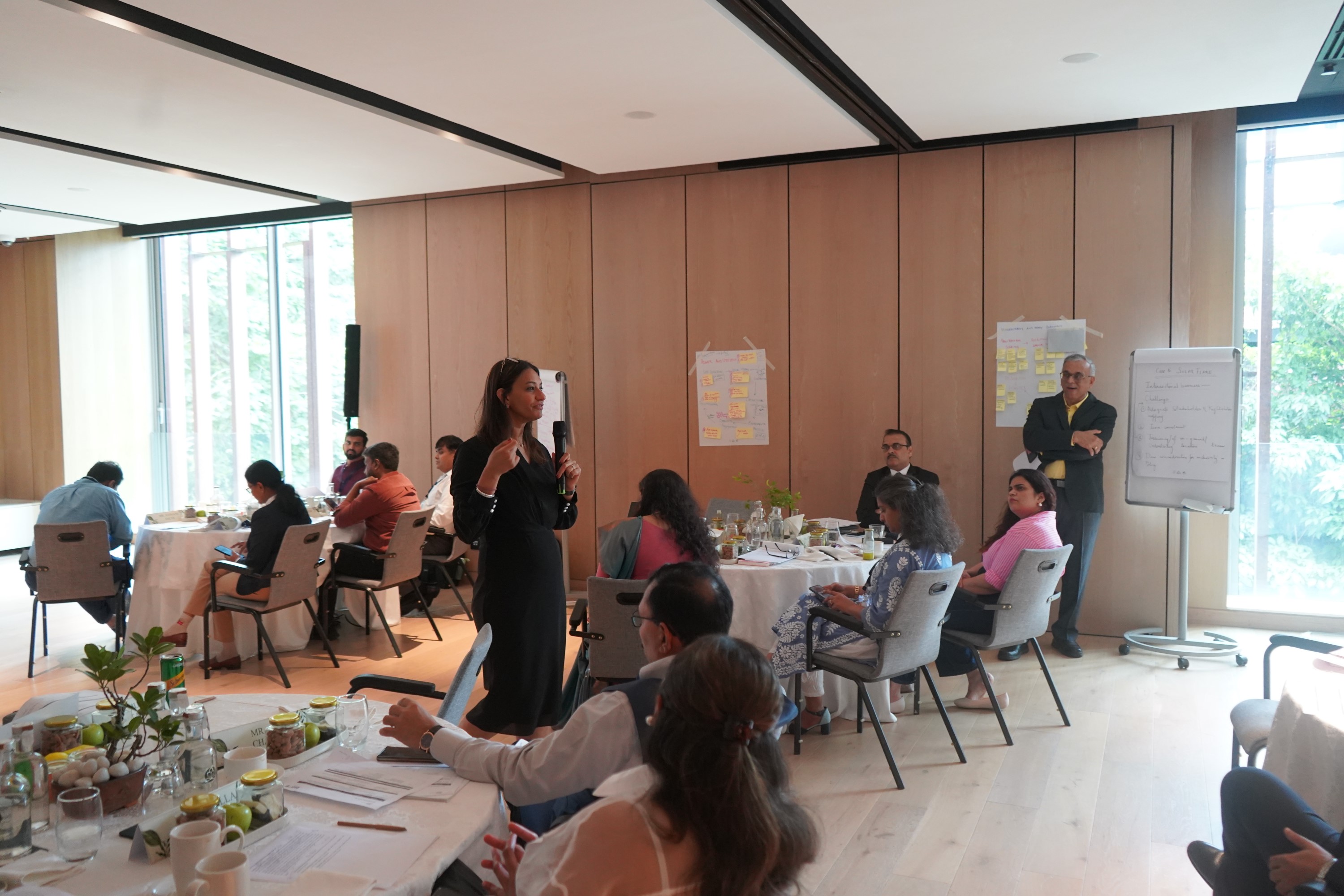
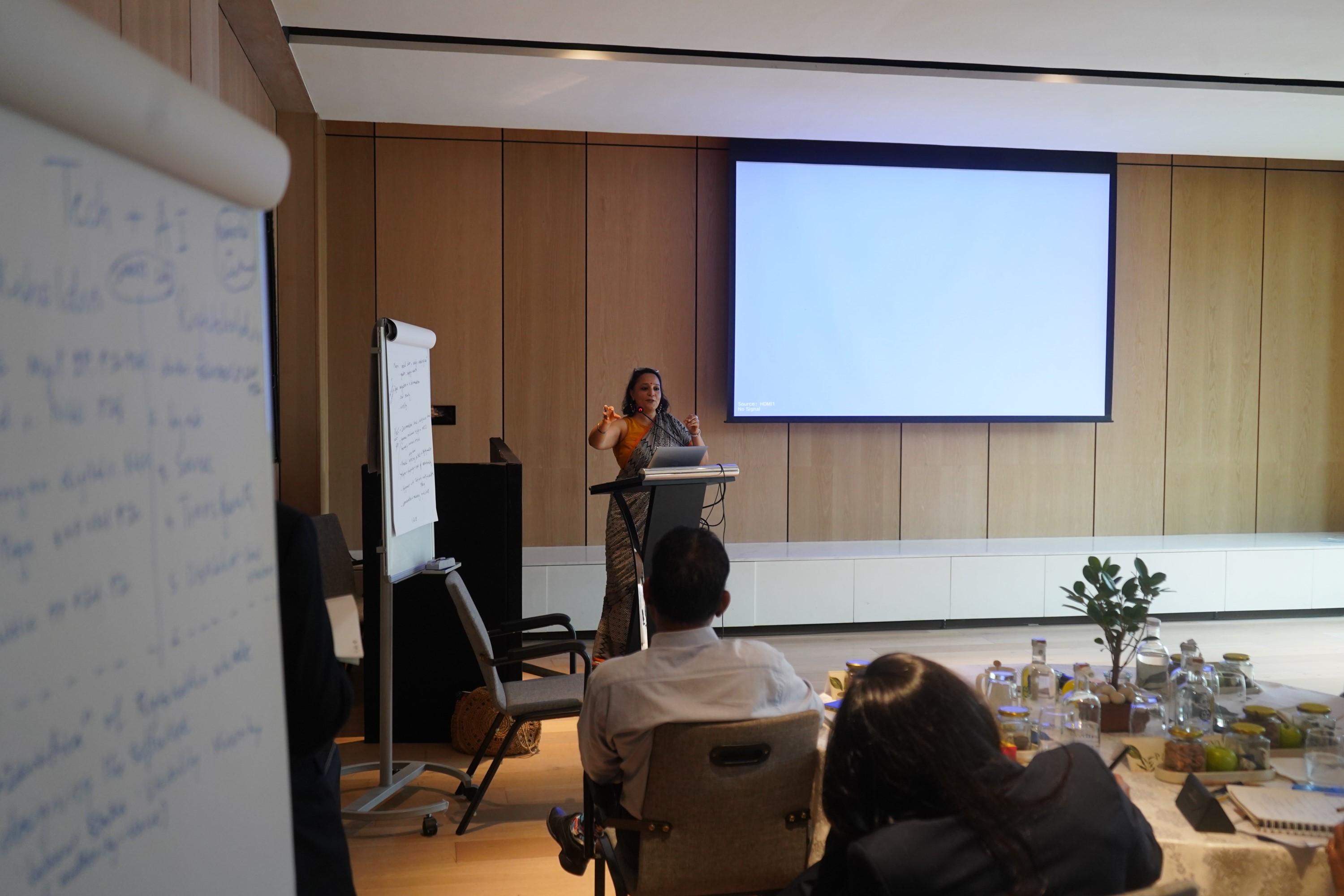
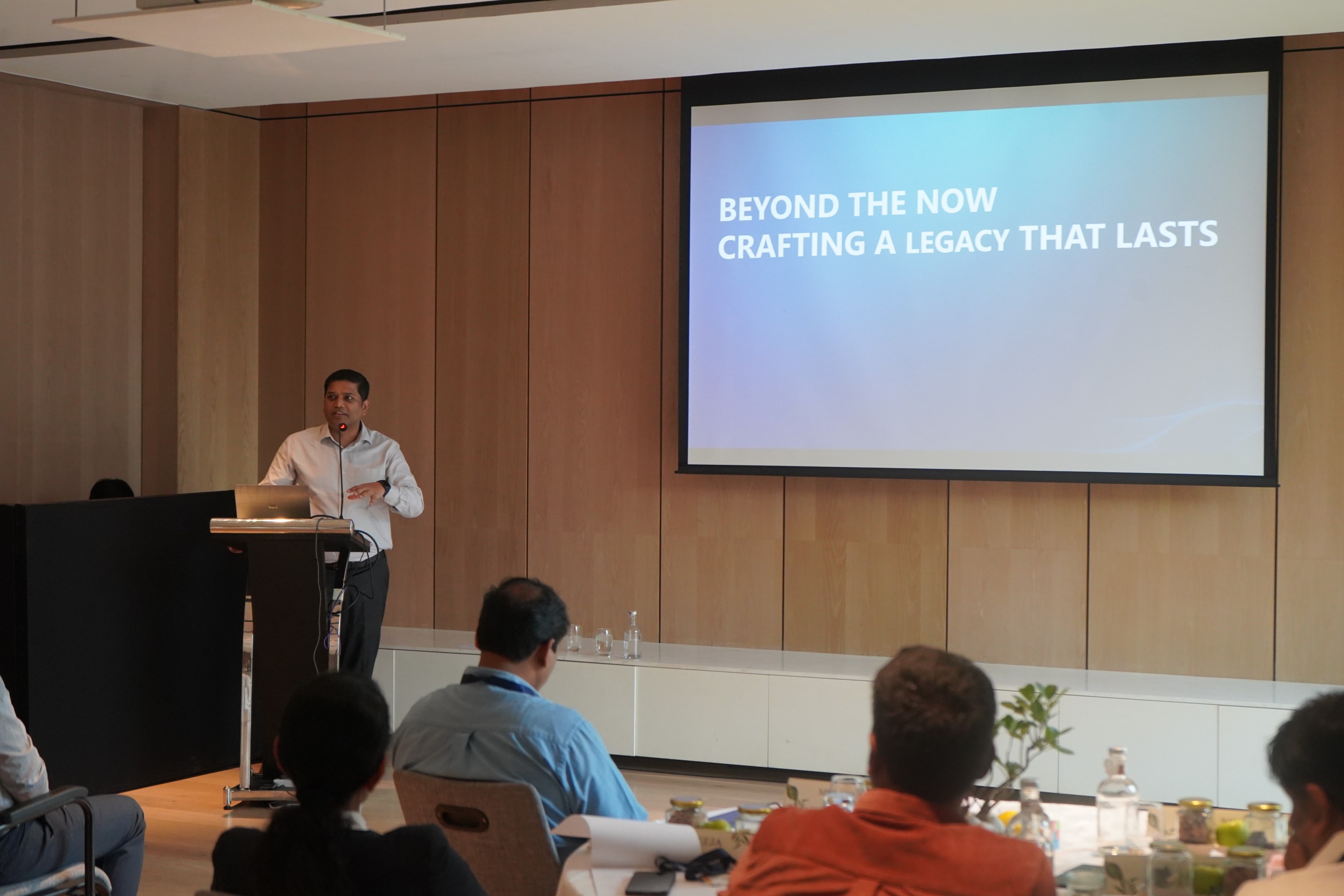
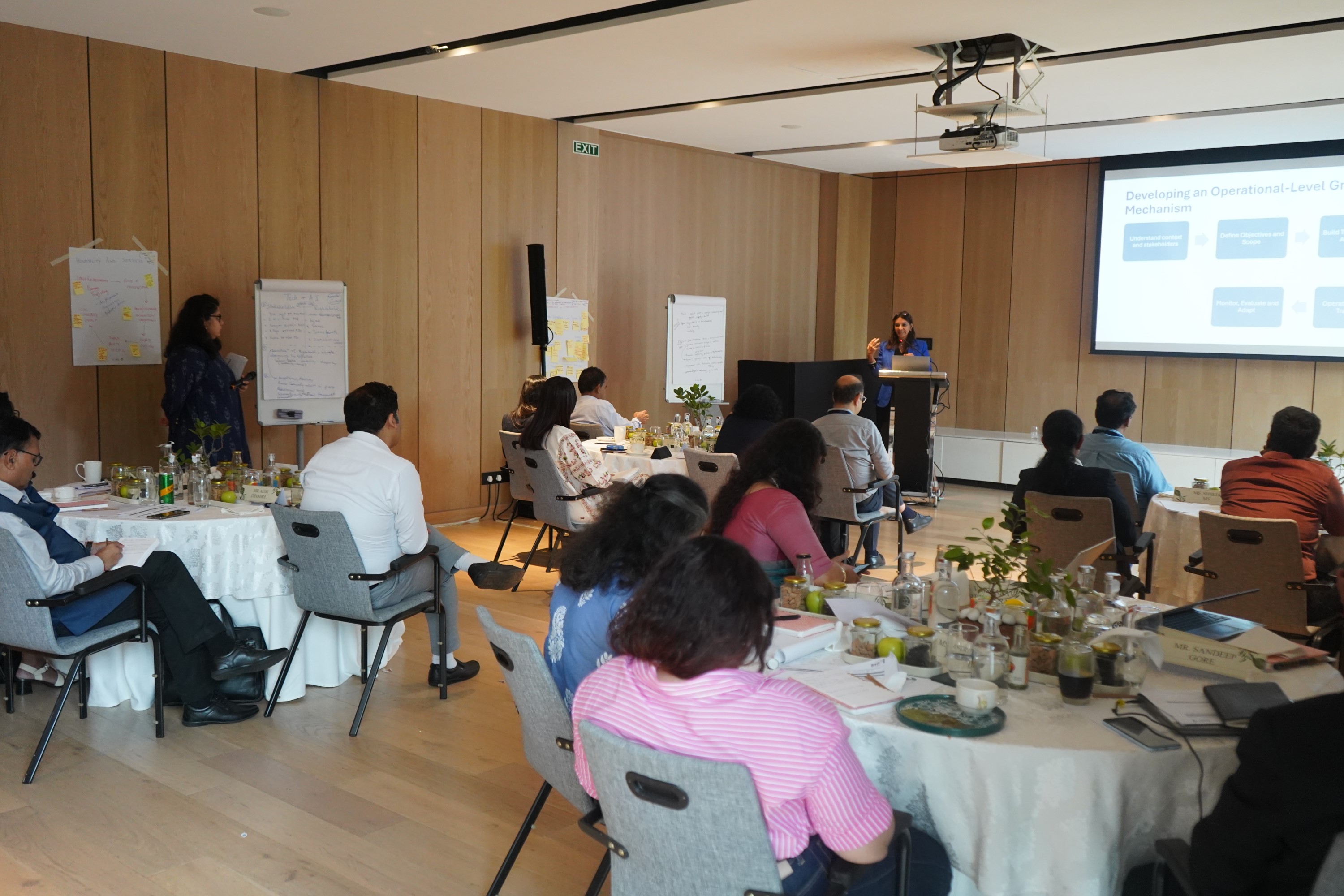
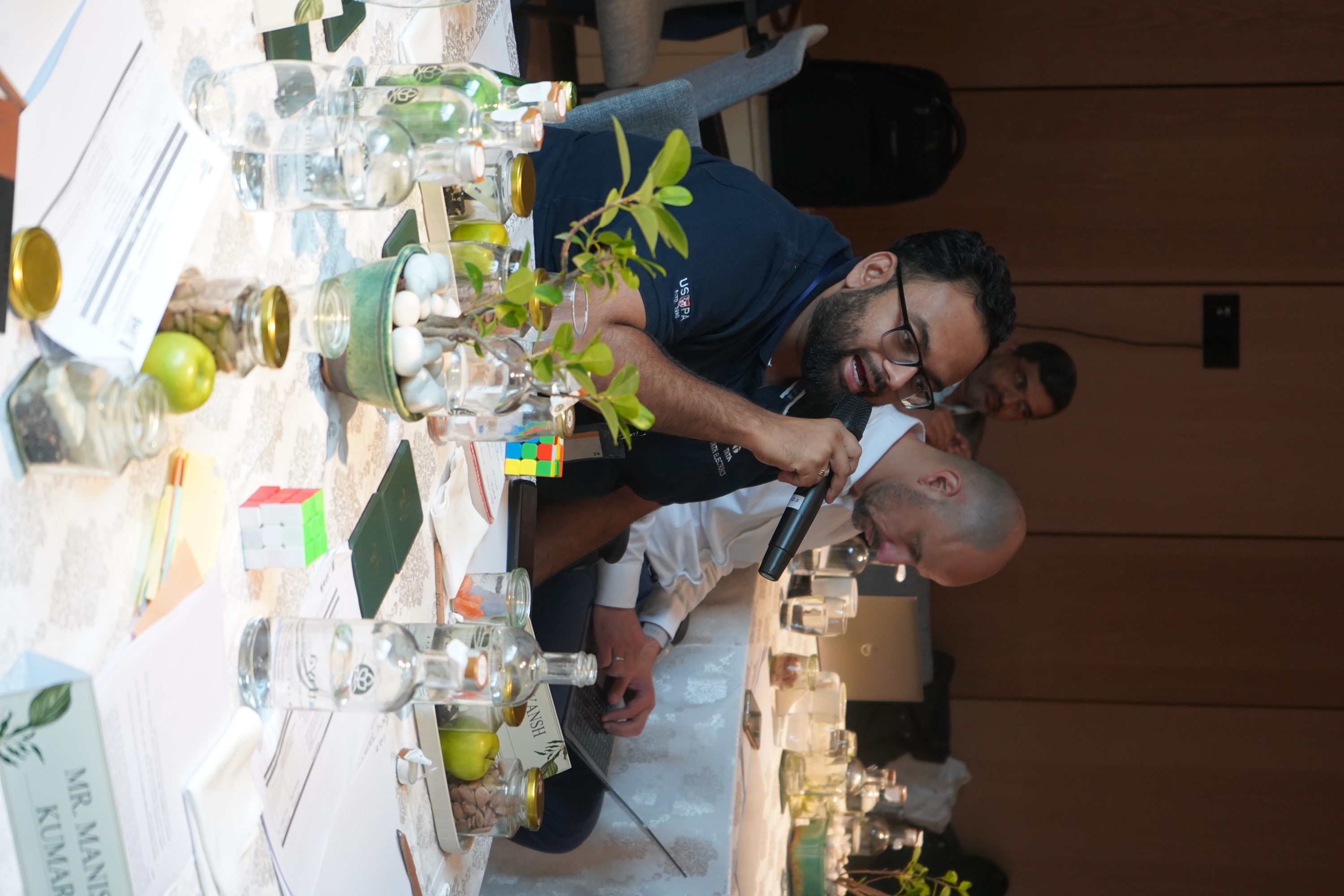
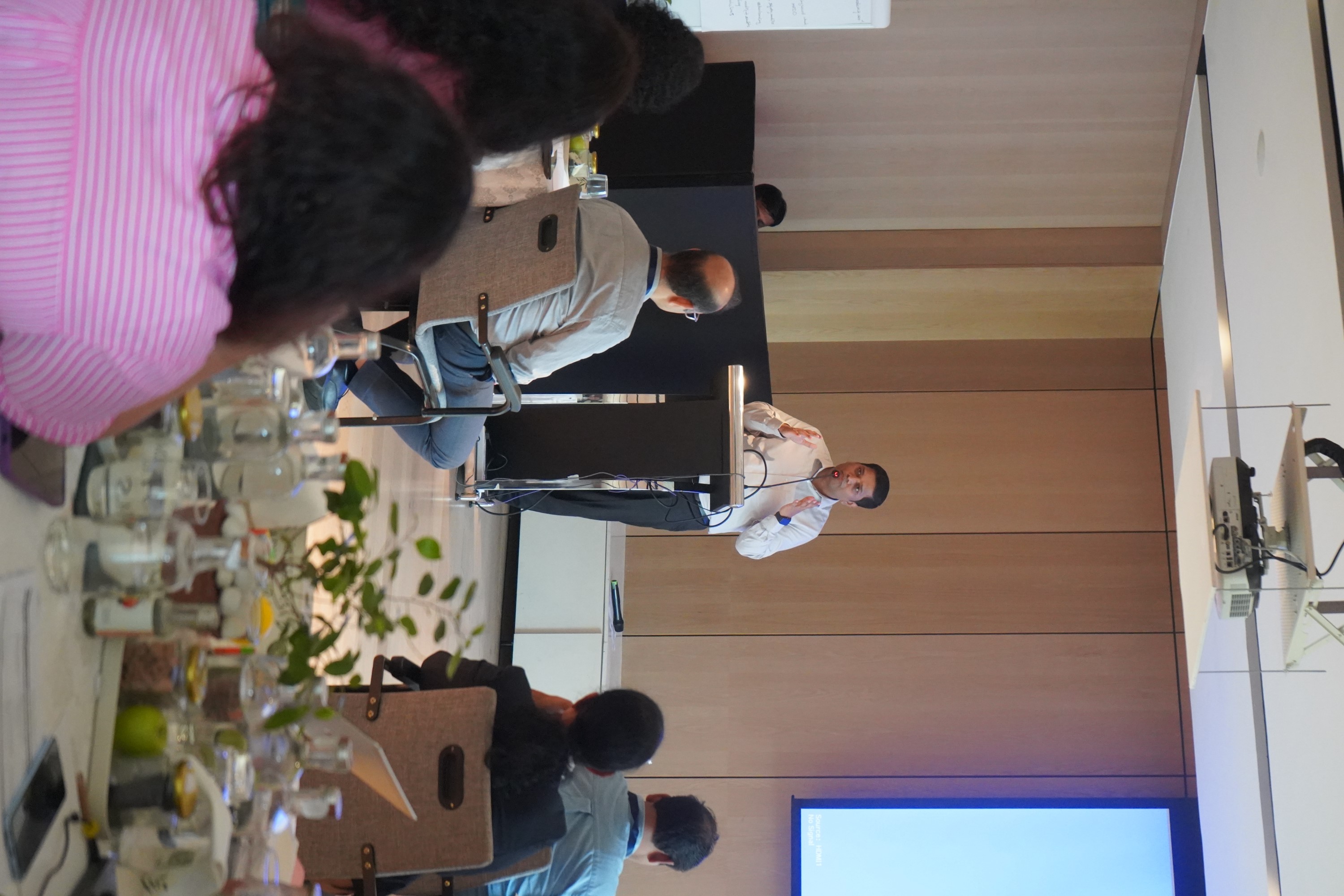
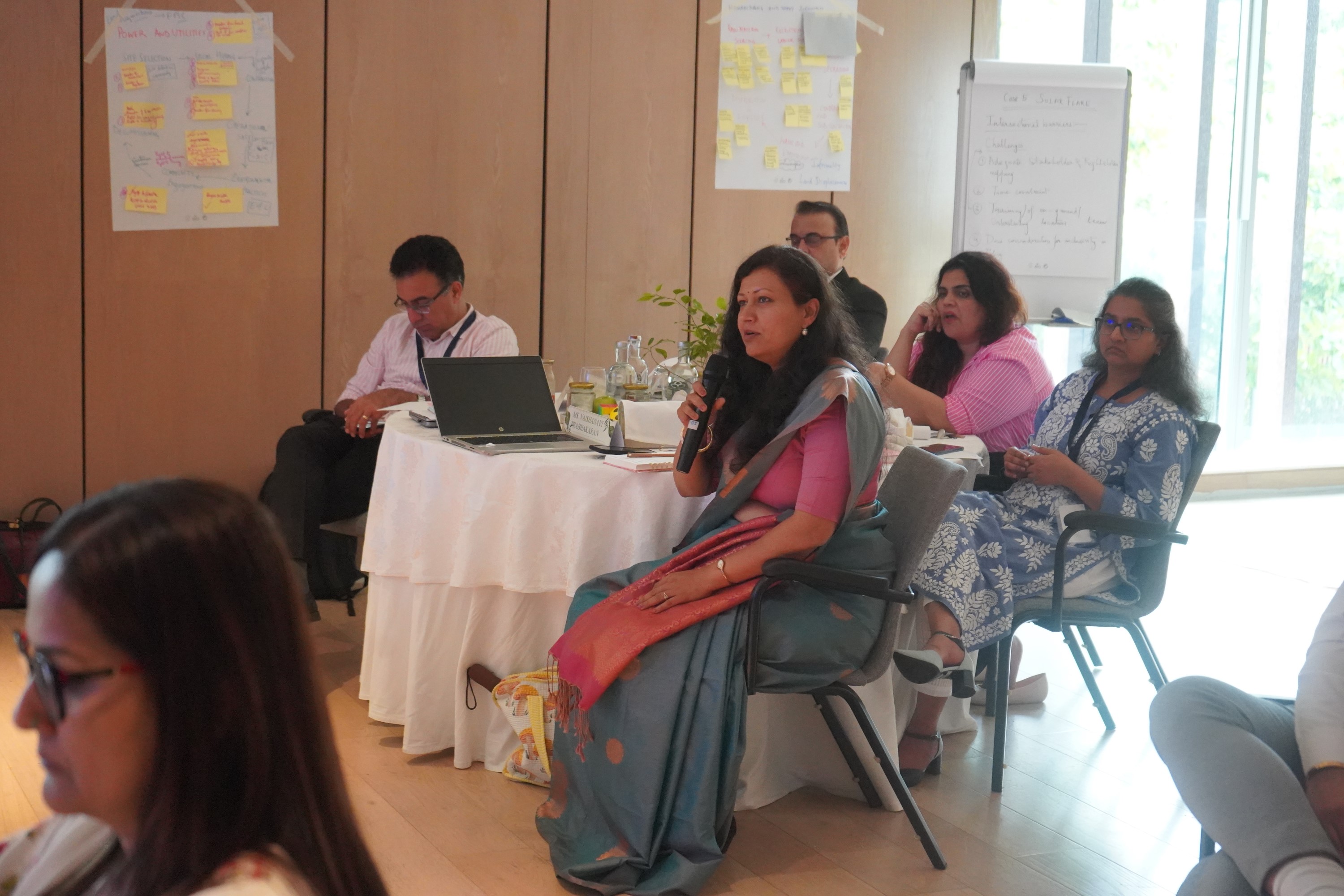
The Tata Sustainability Group conducted regional editions of its Right Path – Business & Human Rights (BHR) Workshop in Kolkata (21 March) with participation from 8 companies, and in Bengaluru (13 February 2026) with 11 companies. Together, the workshops brought together 50 cross‑functional professionals to deepen their practical understanding of human rights in business, exploring how universal human rights principles translate into day‑to‑day decisions and responsible operations across the Group.
Through interactive sessions—case studies, scenario exercises, and guided discussions—participants revisited the Universal Declaration of Human Rights (UDHR) and the UN Guiding Principles on Business & Human Rights (UNGPs). The workshops emphasized the three pillars of the UNGPs—Protect, Respect, Remedy—and offered tools to identify and prioritize salient human rights risks using criteria such as severity, scope, irremediability, and likelihood.
The workshops strengthened participants’ awareness of BHR and helped them equip with the skills needed to meaningfully engage with the topic within their respective companies.
‘Right Path’ Workshop on Business and Human Rights:
Tata Sustainability Group in partnership with UNDP at Mumbai, India
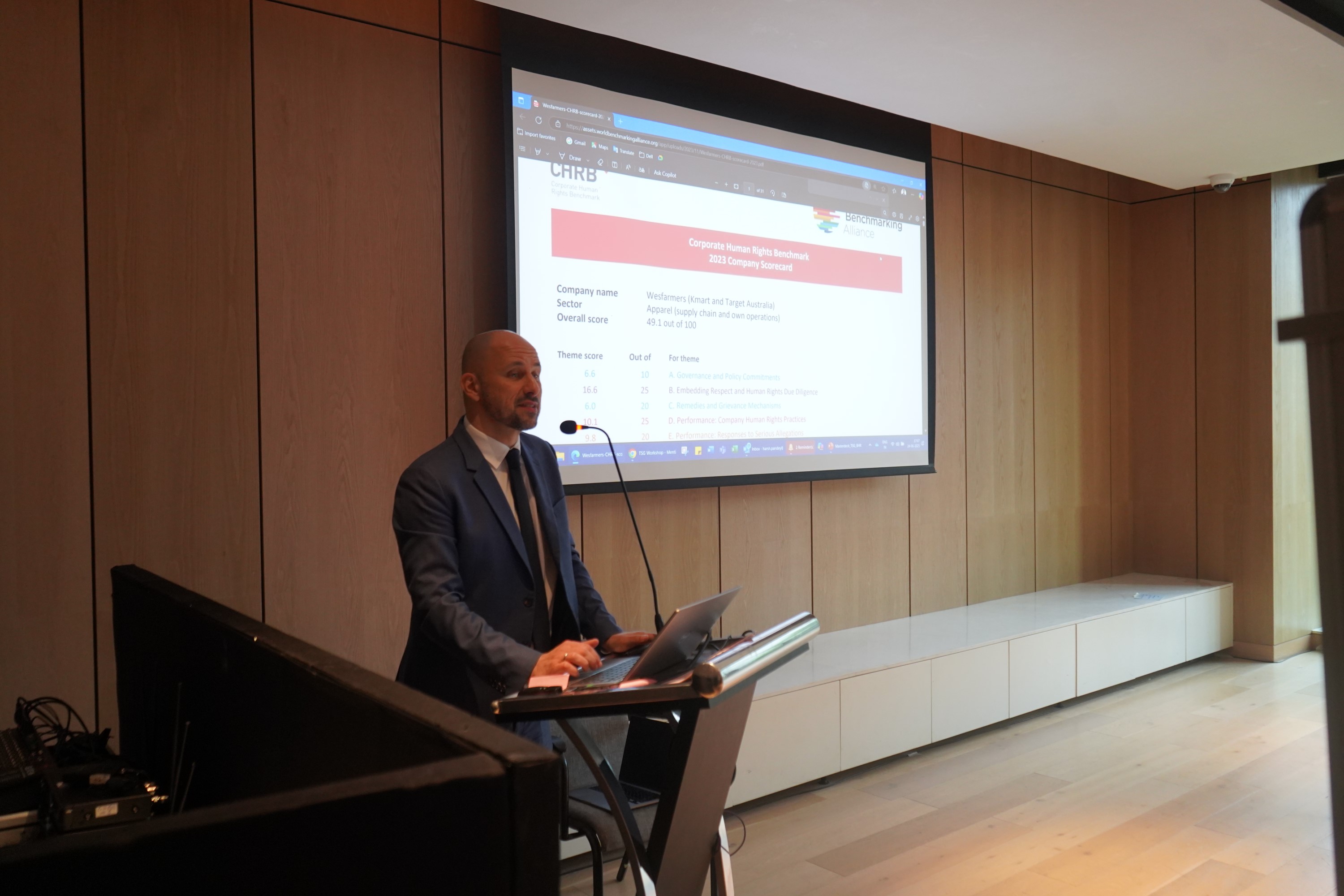
A two-day Business and Human Rights (BHR) workshop was organized by the Tata Sustainability Group (TSG) in partnership with UNDP on June 24–25, 2025. The workshop saw active participation from 32 senior management colleagues representing 15 Tata group companies across diverse sectors, along with trainers from UNDP.
The sessions were jointly delivered by UNDP’s global BHR specialists, including Dr. Sinisa Milatovic, Dr. Harpreet Kaur, and Ms. Nusrat Khan. The workshop comprised five engaging sessions, covering topics such as the BHR landscape, policy development, human rights due diligence, stakeholder engagement, and grievance redressal mechanisms.
Mr. Chacko Thomas, Group Chief Sustainability Officer, opened the workshop by reflecting on the Tata Group’s long-standing legacy of community-centric and value-driven business practices. Quoting Jamsetji Tata’s vision, he emphasized the importance of communities, purpose, and stakeholders in business, and shared examples of the group’s pioneering role in worker welfare. He urged participants to proactively embed human rights into business operations, with a focus on BHR policies, due diligence, and grievance mechanisms.
Mr. Shrirang Dhavale, Head of the Social Services Cluster, encouraged participants to draw upon the group’s strong value system as a guiding force in advancing the BHR agenda within their companies. He emphasized the need to sustain the momentum built through the sessions and expressed hope that such initiatives would foster deeper collaboration and drive collective impact.
Day 1 began with an interactive activity highlighting the inalienable, universal, equal, and interdependent nature of human rights. Participants then mapped human rights risks across their sectoral value chains. The sessions provided a comprehensive understanding of the steps involved in conducting human rights due diligence, including key concepts such as severity (scale, scope, and irremediability) and likelihood. The final session of the day focused on the role of policies in cultivating a BHR culture within organizations.
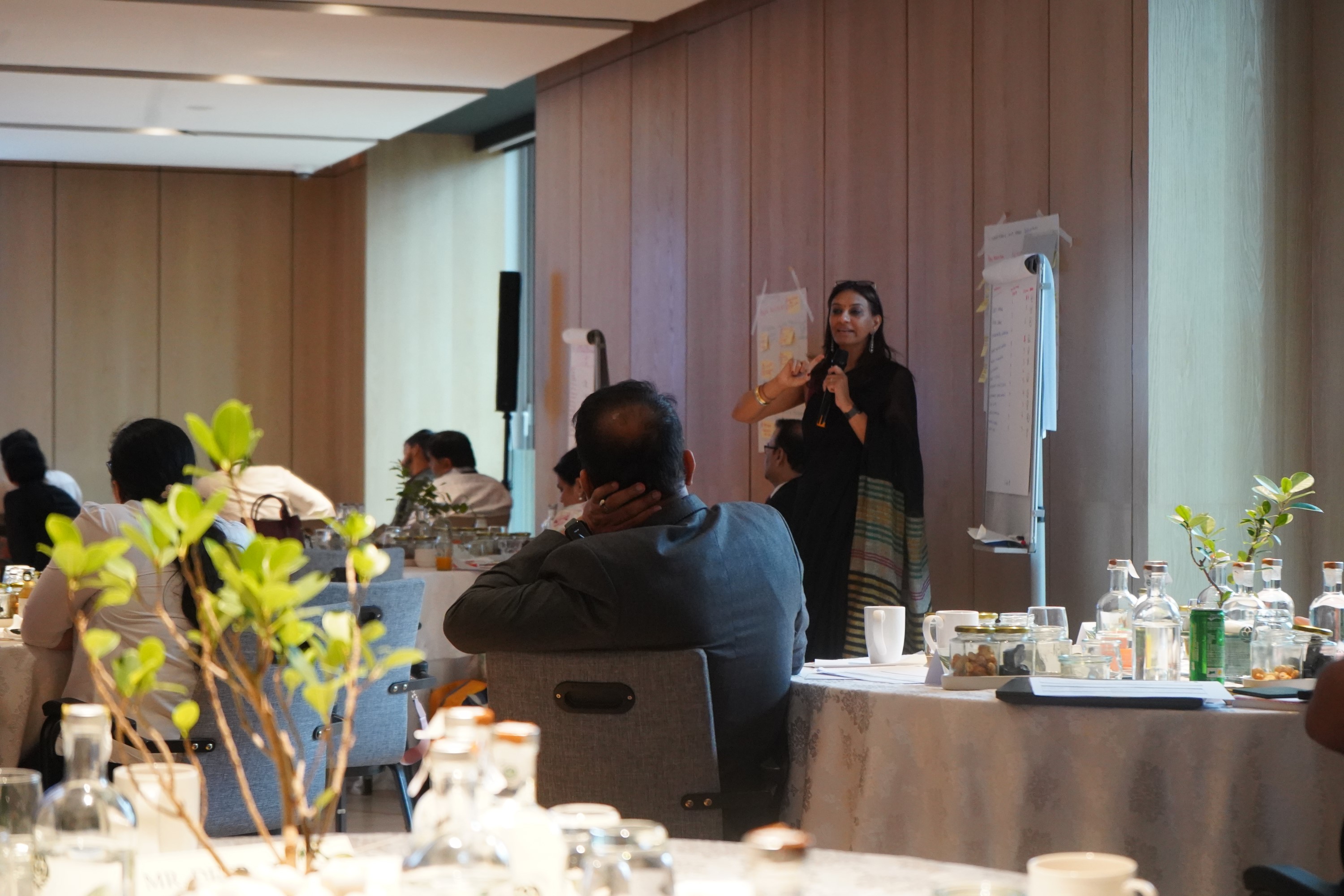
Day 2 opened with a discussion on global and regional developments in due diligence and supply chain laws. This was followed by a stakeholder engagement session, enriched with case studies involving communities, employees, and workers across the value chain. Topics such as causality, contribution, and direct linkage to impact were explored in depth. During the Trusted Friend Speak session, Ms. Gayatri Divecha, a BHR specialist with long-standing ties to the Godrej Group, delivered an inspiring talk. Mr. Ashwani Kumar from the Group Ethics Office also presented on the importance of BHR and its alignment with the Tata legacy. The final session addressed aspects of remedy and disclosures.
The workshop significantly enhanced participants’ awareness of BHR, offering them a platform to reflect on current challenges within their companies and explore meaningful opportunities to engage with the subject.