The Tata Sustainability Conclave 2025, held on December 18 at Taj Lands End, Mumbai, convened the senior leadership of Tata group companies and global experts to deliberate on critical imperatives shaping the future of sustainable business. The discussions explored how technology can accelerate progress across the Tata Group’s sustainability priorities, spanning Net Zero, Circularity, and Nature & Biodiversity under Project Aalingana.
Through leadership perspectives, policy insights, and applied use cases, the Conclave reflected a decisive shift: sustainability is no longer guided by intent alone, but by systems, data, and technology‑enabled execution at scale. Conversations highlighted how digital tools, advanced analytics, and innovation ecosystems are becoming central to translating ambition into measurable outcomes.
Keynote Address
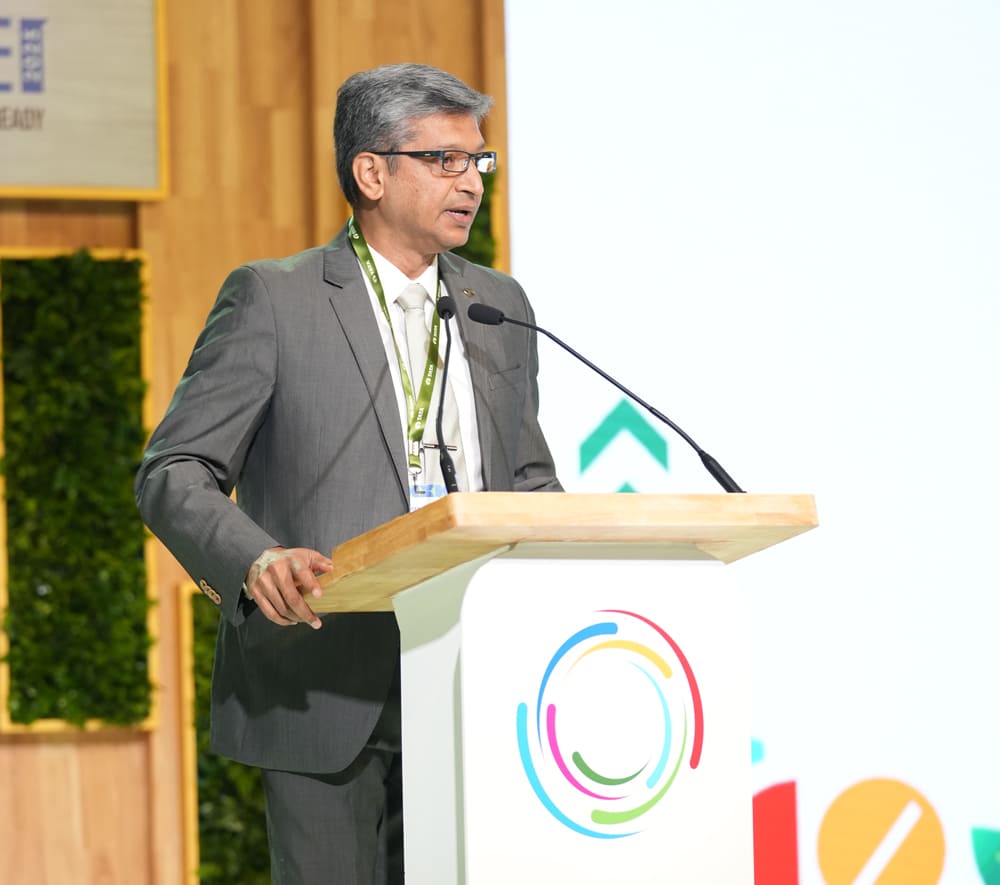
Mr. Suman Bery, Vice Chairperson of NITI Aayog, delivering the keynote address
Keynote speaker Mr. Suman Bery thanked the Group for the opportunity to present at the conclave. He started his speech with the message of co-operation and emphasizing that central government, states and private sector should work together to achieve ambitious goals like ‘Viksit Bharat’ and India’s energy transition.
He discussed the need to balance development with environmental responsibility and avoid the “damage first, repair later” approach to development, which was followed by developed countries and China. At the same time, he acknowledged the need to remain competitive through the transition and learning from global examples.
He noted that by 2047, India’s GDP is projected to growth much faster than its energy requirement – highlighting India’s low energy intensive approach to growth. He spoke about the potential from solar and nuclear power, highlighting how cheap solar power can help attract investment, while India’s Shanti bill can revolutionise nuclear power.
He concluded by posing thoughtful questions to the audience on how Indian industry can co-develop next generation clean technologies, how can India emerge as a global leader in clean technologies, how governance and regulation can evolve to enable speed and scale in innovation, how can digital public infrastructure and data unlock new business models and what PPPs are needed to de-risk investment and scale impact.
Technologies Moving the Needle to Net Zero
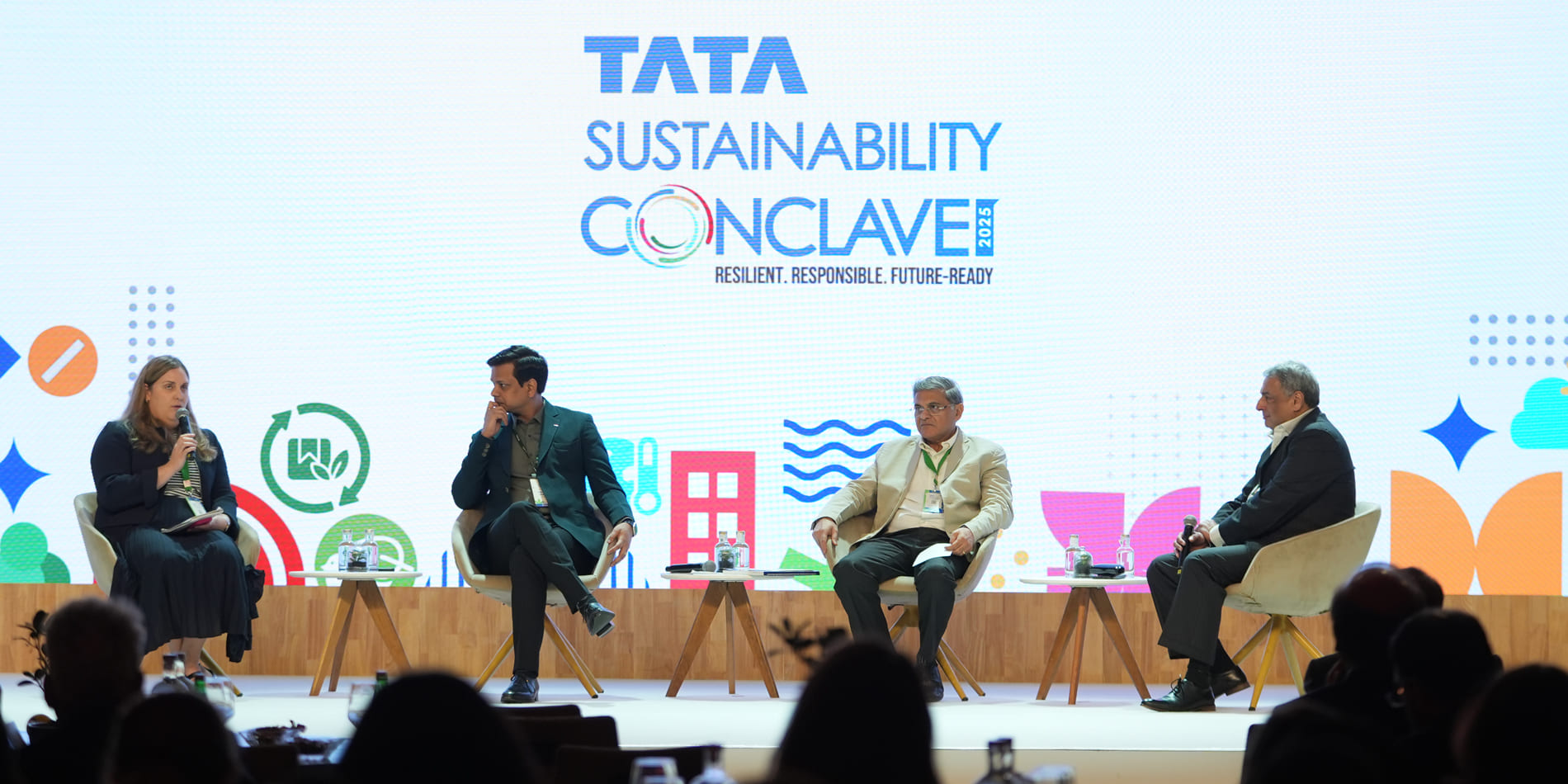
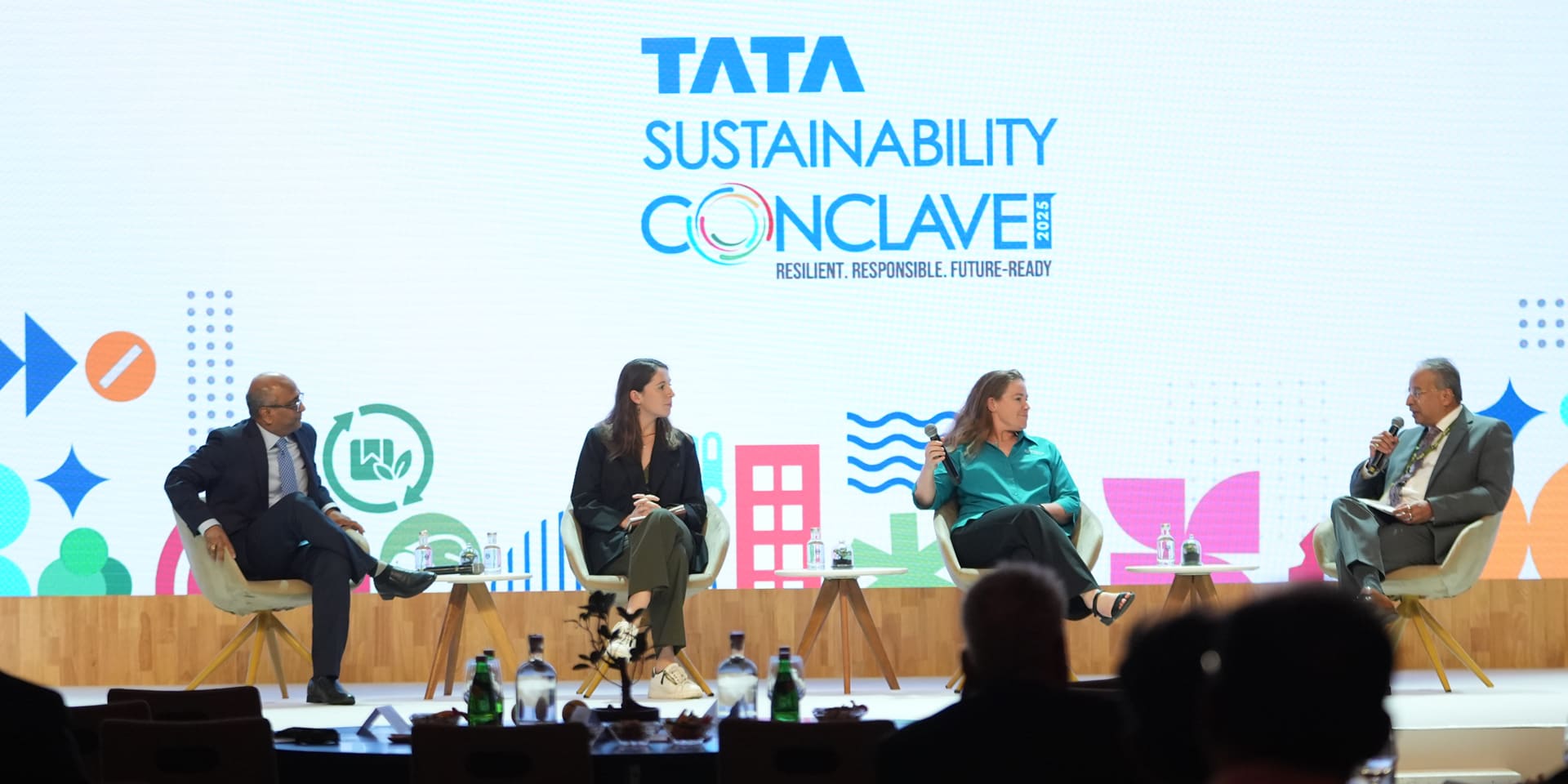
(From left to right): Panel Discussion featuring Ms. Stephanie Russo, Executive Director, Pollination; Dr. Vikram Vishal, Professor, IIT Bombay; and Dr. Amit Garg, Professor, IIM Ahmedabad. The session was moderated by Mr. T.V. Narendran, CEO & Managing Director, Tata Steel
The Net Zero session highlighted the need and means to accelerate progress on decarbonization technologies to reach Net Zero.
The moderator, Mr. TV Narendran, CEO and Managing Director of Tata Steel, set the context by outlining the problem statement that developing countries need to play a fine balancing between growth and decarbonization.
Professor Amit Garg emphasized further the need to ensure employment and equity through the transition. Drawing a comparison with OECD countries, he highlighted that while OECD countries have developed in a highly energy intensive way, India can likely achieve the same level of development at a lower energy intensity. However, it is important that this growth/energy use is distributed well in society. Currently, energy consumption (a proxy for development) by some sections of the population in India is very low today.
Professor Vikram Vishal of IIT Bombay, added that India/Indian industry needs to meet increasingly stringent climate commitments (E.g., CBAM), while also focusing on development. While a portfolio of several technologies is being considered by industry, the pace of growth/adoption on these technologies needs to accelerate to meet Net Zero commitments. Several technologies needed for Net Zero are still emerging implying an opportunity for innovation as well as a need to enable their commercial viability/ ensuring funding is channeled to these technologies.
Stephanie Russo from Pollination highlighted how sustainable finance is becoming more easily available at mainstream financial institutions, especially within her home country (Australia). She highlighted that carbon offsets, which are necessary for net zero, can also be a way of channeling funding towards these technologies. Further, several existing technologies also offer cost effective implementation options (e.g., MRV tech for plantation projects).
Expanding on the theme of the crucial role of financing, the moderator highlighted that financing from the developed world to the developing world is not flowing at the required levels.
Professor Garg added that while that quantum of flows may not materialize, better risk management on projects can help bring down implementation costs. Simultaneously, better risk tolerance is also needed to scale the technologies – by allowing headroom for some failure/trial and error.
Stephanie Russo emphasized that globally, even now, most of the investments towards decarbonization technologies (e.g., through VCs) are concentrated in Europe and the US. In the US, the political context adds further uncertainty to the outlook. This funding gap needs to be bridged. She also highlighted that risk tolerance was an issue for funding at the moment.
Professor Vikram Vishal gave examples of technologies for carbon capture being developed by researchers at IIT Bombay. Building on the issues around risk, he highlighted how even promising and award-winning technologies face hurdles to adoption from industry.
The session reinforced the ideas around need for equity while decarbonizing and the role that industry can play in accelerating support for emerging technologies through investments to ensure the desired progress towards meeting decarbonization goals.
Fireside Chat: The Role of Tech in Accelerating Circularity
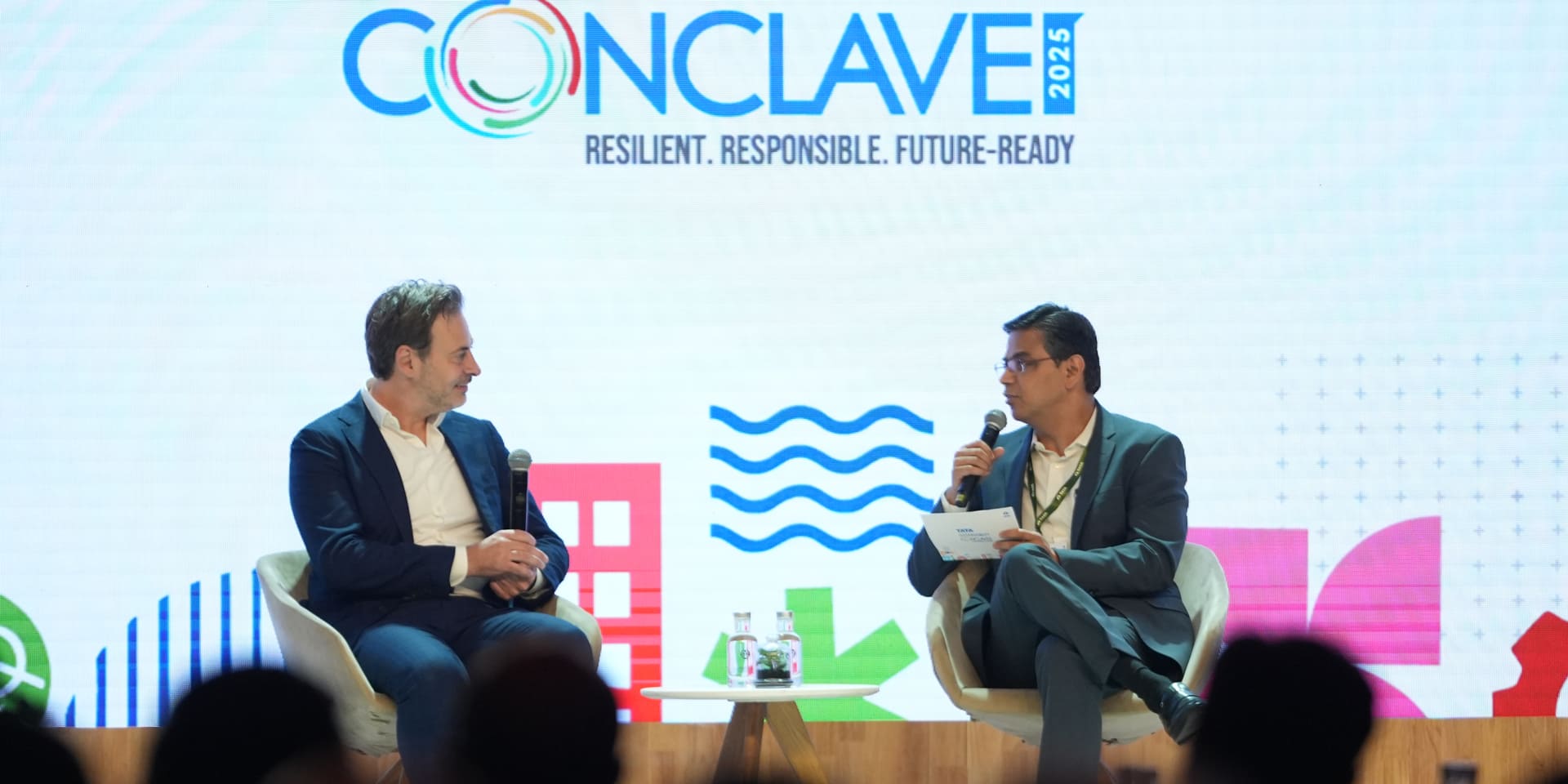
A fireside chat featuring Mr. Girish Wagh (right), CEO & Managing Director, Tata Motors Commercial Vehicles, in conversation with Mr. Marc de Wit (left), Co‑Founder of Current.
The Circularity session highlighted the growing focus on resource-efficient, future-ready business models, and the role of technology in enabling circular systems at scale.
Opening the discussion, Mr. Girish Wagh, CEO and Managing Director, Tata Motors Commercial Vehicles, emphasized circularity as a strategic lever for long-term competitiveness rather than a compliance-driven agenda. Drawing on Tata Motors’ TATVA framework, he outlined how reuse-centric design, efficient material flows, and responsible end-of-life systems are being embedded into product and business model thinking.
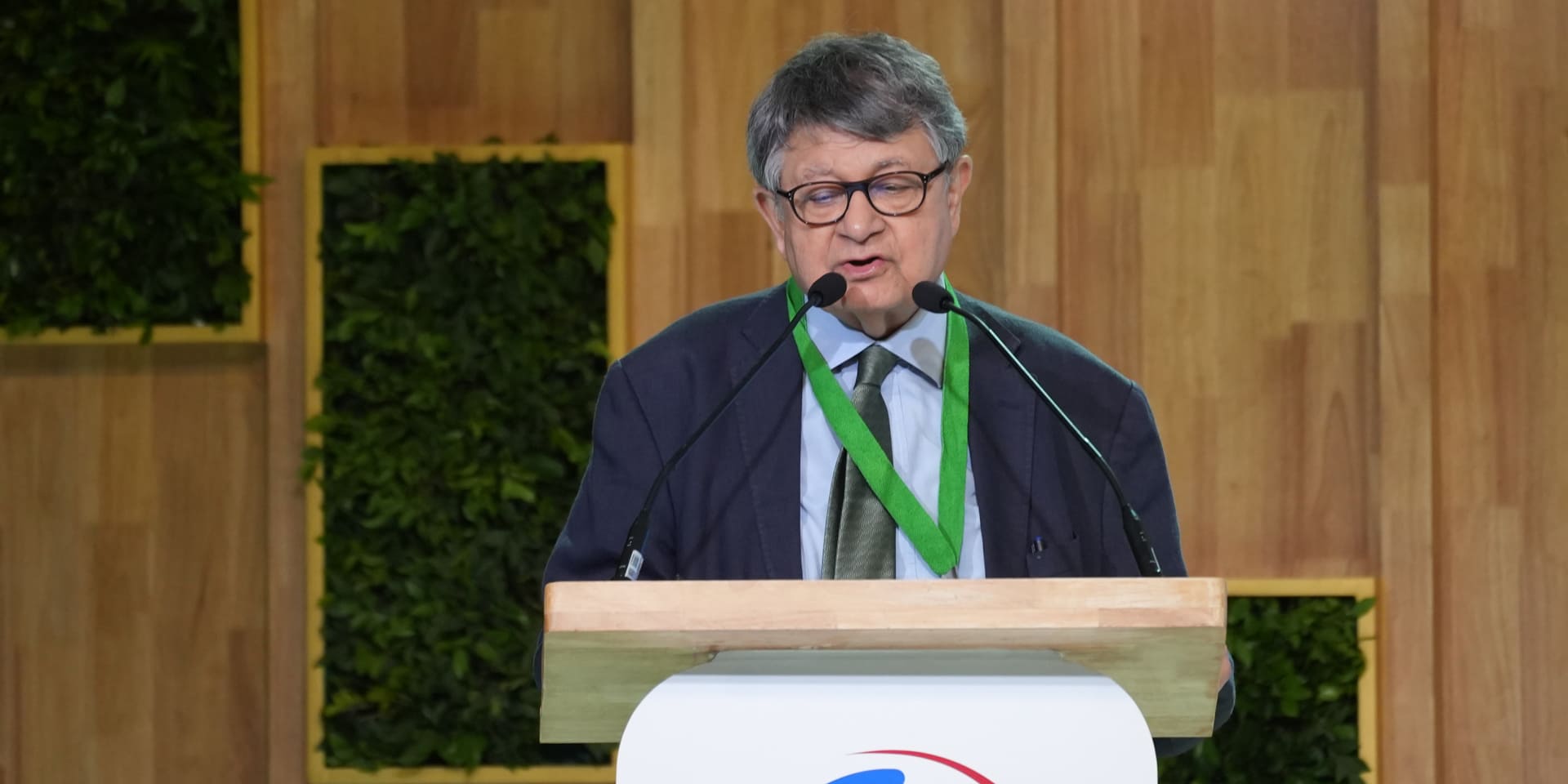
Mr. Marc de Wit, Co-founder, Current BV, framed the global challenge by pointing to rising material consumption alongside declining circularity rates. He underscored the need to move circularity from the margins to the core of business strategy, supported by technologies that improve traceability, recovery, and value retention across material lifecycles.
The fireside chat explored how digital, mechanical, and chemical innovations - ranging from AI-enabled repair and remanufacturing to advanced recycling technologies - are making circular solutions increasingly scalable and economically viable. Discussions covered emerging opportunities in remanufacturing, automotive pilots, product-as-a-service models, Extended Producer Responsibility (EPR) readiness, and material synergies across Group companies.
The session reinforced that with its scale, integrated value chains, and digital capabilities, the Tata Group is well positioned to play a leading role in India’s transition toward a low-waste, resource-efficient and circular economy.
The Tech Edge in Biodiversity Conservation
(From left to right): Mr. Hemakiran Gupta, Global Head – Sustainability Service Products, TCS; Ms. Caitlin Brown, Head – Strategic Innovation, NatureMetrics; Dr. Debbie Saunders, Co‑Founder and CEO, Wildlife Drones and NatureHelm; and Mr. Praveer Sinha, CEO & Managing Director, Tata Power, who is moderating the panel discussion.
Aligned with the Conclave’s overarching theme of Tech for Accelerating Sustainability, this session examined how emerging technologies and innovation ecosystems are reshaping biodiversity conservation and nature-positive actions by corporates.
The session opened with remarks by Dr. Praveer Sinha, CEO and Managing Director, Tata Power, who underscored the urgency of halting biodiversity loss and reaffirmed Nature & Biodiversity as a central pillar of the Group’s sustainability agenda under Project Aalingana. He highlighted how digital tools and new capabilities have the potential to unlock impact at scale when combined with ecological expertise.
The session featured three focused presentations from global experts, showcasing the breadth of technological innovation in biodiversity conservation.
Dr. Debbie Saunders, Co-founder & CEO, Wildlife Drones and NatureHelm, presented an overview of advanced tools - from drones to integrated nature intelligence platform - demonstrating how technology can support species and ecosystem-level conservation while improving human–wildlife conflict management.
Ms. Caitlin Brown, Head – Strategic Innovation, NatureMetrics, highlighted the transformative potential of non-invasive environmental DNA (eDNA) technologies. She demonstrated how eDNA, combined with digital biodiversity intelligence platforms, enables robust baseline creation, monitoring, and disclosure aligned with emerging global nature frameworks.
Mr. Hemakiran Gupta, Global Head – Sustainability Services Practice, TCS, showcased innovations leveraging satellite-based earth and sky observation and advanced analytics. Case examples included large-scale assessments such as monitoring above-ground biomass across India’s forests, alongside applications for agriculture and allied landscapes.
The expert presentations were followed by a moderated panel discussion that explored technology-enabled approaches to biodiversity monitoring and measurement, applications for wildlife conservation and conflict mitigation, implementation challenges, and opportunities for collaboration.
Overall, the session demonstrated how technology, when grounded in ecological science and local context, can significantly accelerate action toward a nature-positive future.
Sustainability in Focus: Tata Stories
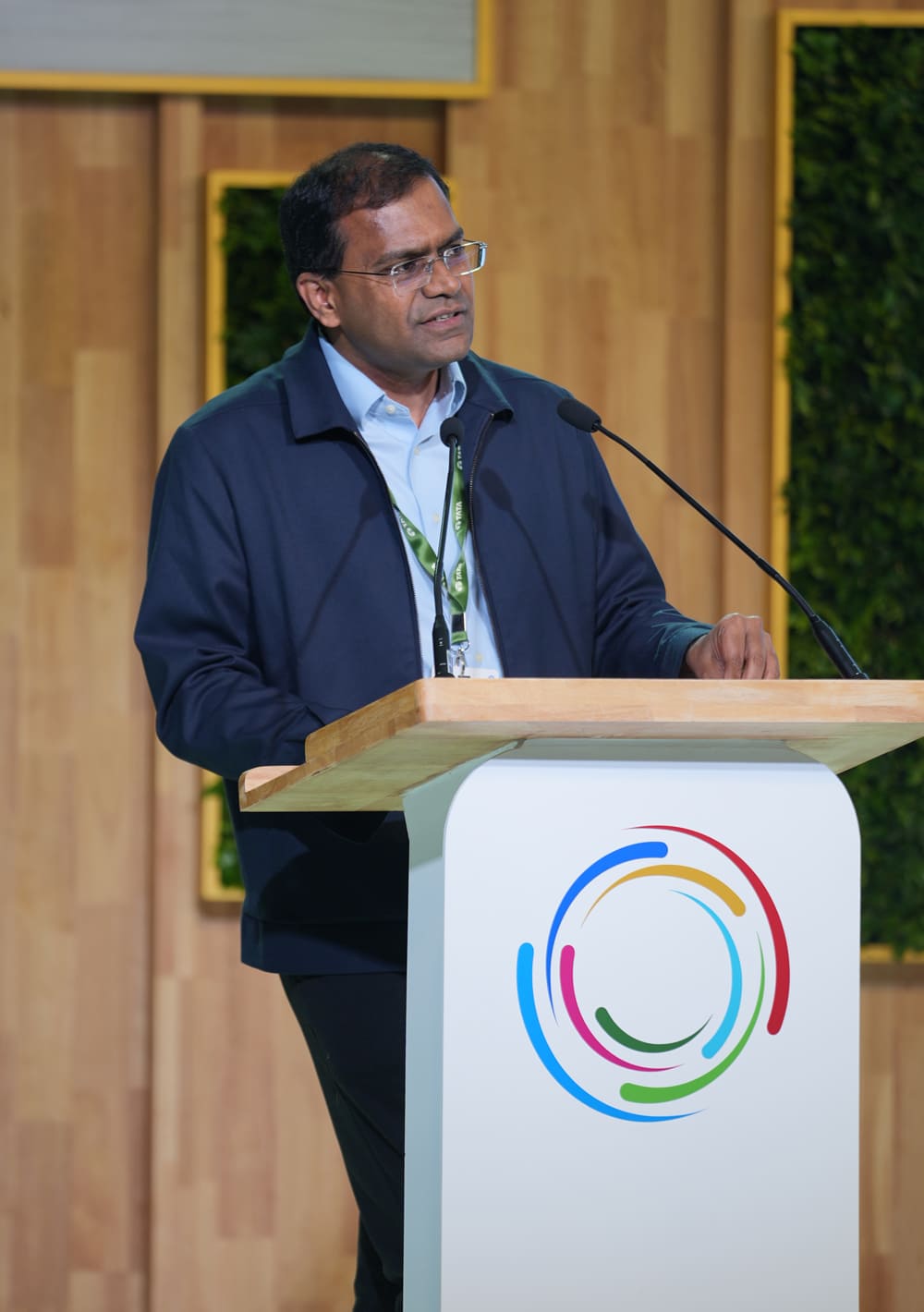
Mr. P. Venkatesulu, MD and CEO, Trent
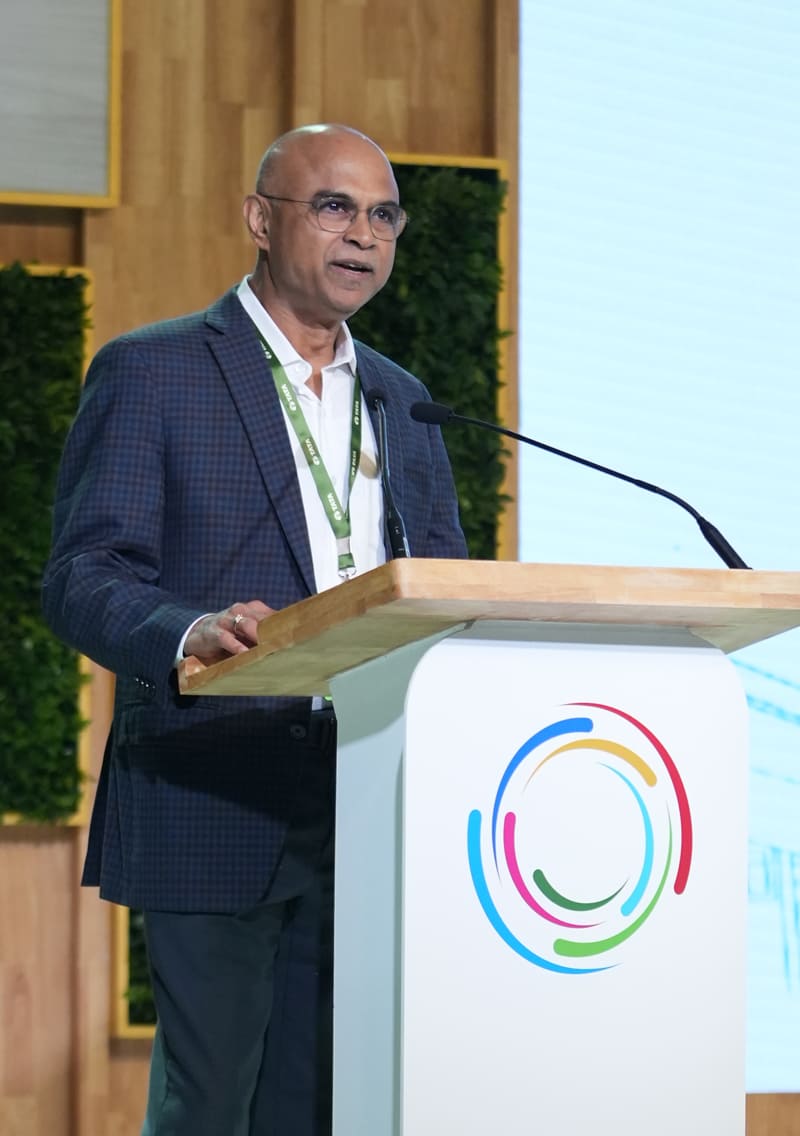
Mr. Vinayak Pai, MD and CEO, Tata Projects
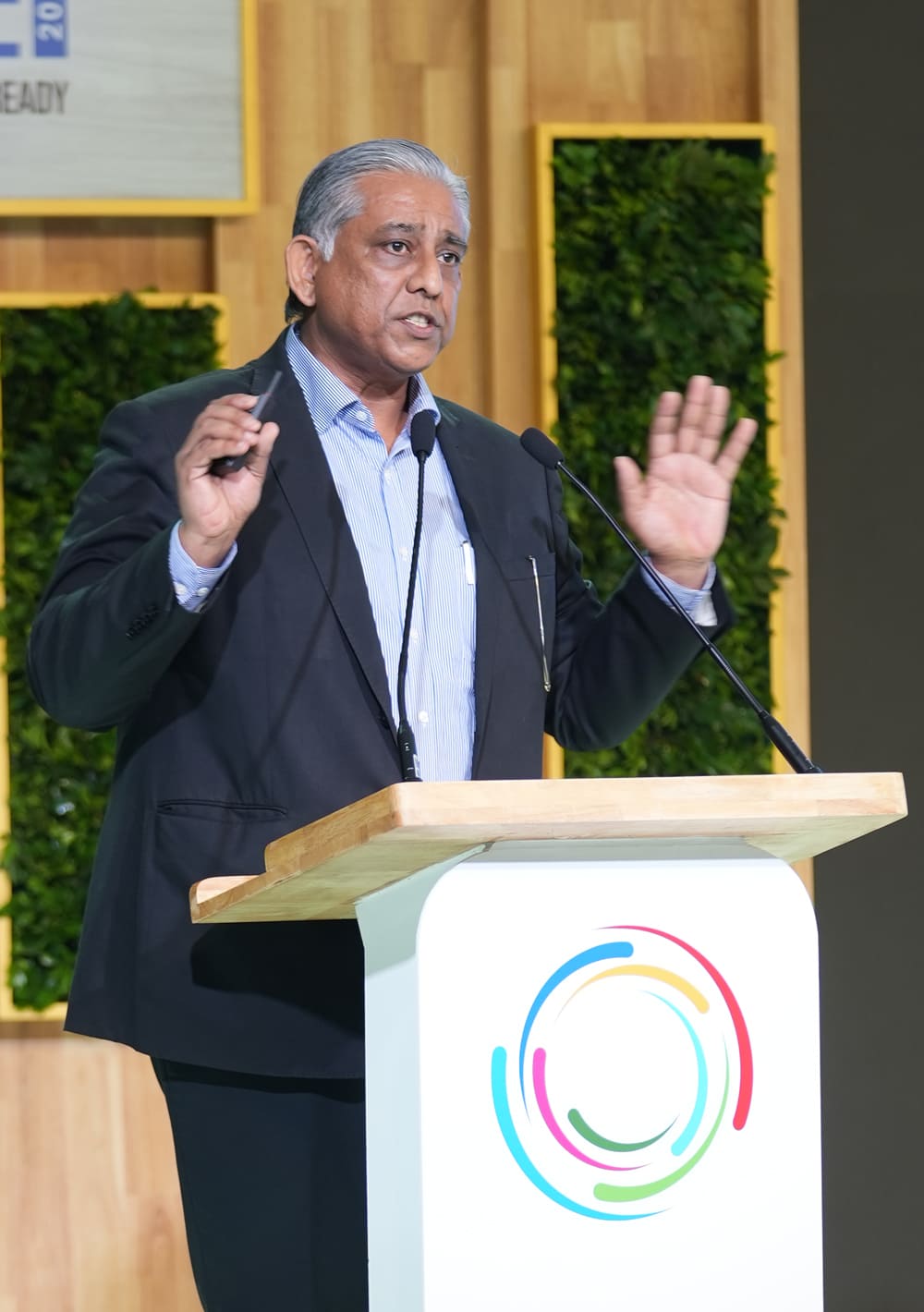
Mr. Amit Sharma, MD and CEO,
Tata Consulting Engineers
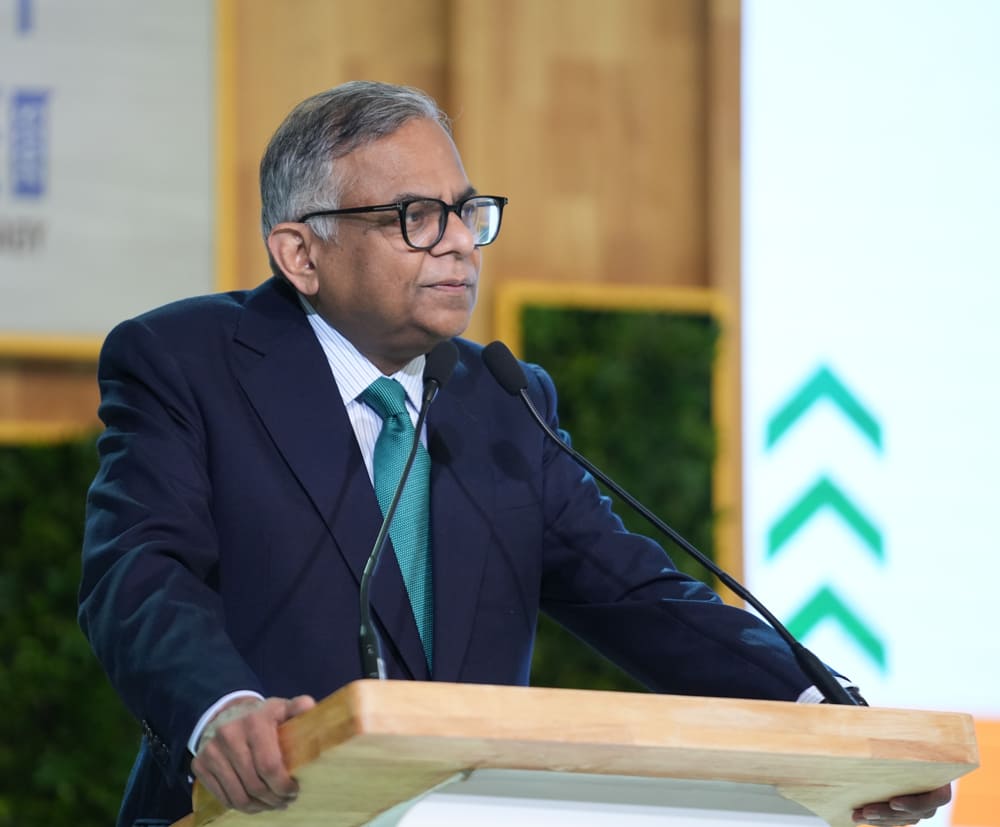
The final session, ‘Sustainability in Focus: Tata Stories’, brought the day’s discussions of promise and possibilities to life through real-world examples from across the Tata group of companies. Presentations by Mr. Amit Sharma, MD and CEO, Tata Consulting Engineers, Mr. P. Venkatesulu, MD and CEO, Trent and Mr. Vinayak Pai, MD and CEO, Tata Projects, highlighted how sustainability commitments are being translated into action in these companies.
The stories reinforced a central insight of the Conclave: technology delivers its greatest value when paired with intent, partnerships, and context. Whether enabling better decision-making, improving transparency, or unlocking scale, technology emerged as a powerful connector between ambition and outcomes. Across sessions, a consistent message emerged: sustainability challenges are complex and interconnected, but increasingly solvable through the thoughtful application of technology.
As the Tata group advances its commitments under Project Aalingana, the focus will remain on deploying scalable, credible, and impact-driven solutions that support a resilient, responsible, and future-ready world.
Agenda  |
|
Photo Gallery |
TSC 2024 TSC 2022 TSC 2019 TSC 2017 TSC 2016
TSC 2015